Challenges.

Energy efficiency.

Catch residential energy waste before bills spike
Build an agent that watches home heating/cooling signals and flags insulation or HVAC waste early, so bills don't spike before anyone notices the leak.
Expose hidden electricity costs in small businesses
Build an agent that maps which equipment and processes are quietly eating power and shows where to cut first, so small businesses stop paying for energy they can't see.

Shift flexible electricity use off peak hours
Build an agent that finds shiftable loads and suggests when to run them off-peak, so homes and shops stop slamming the grid at the worst hours.
Stop renewable electricity going unused on the grid
Build an agent that spots when clean power can't get where it's needed and proposes use/storage/routing options, so renewable electricity doesn't go unused.

Compare energy use across multi-site businesses
Build an agent that normalizes messy site energy records into one comparison and ranks the worst sites, so multi-location businesses can finally see where energy is leaking.
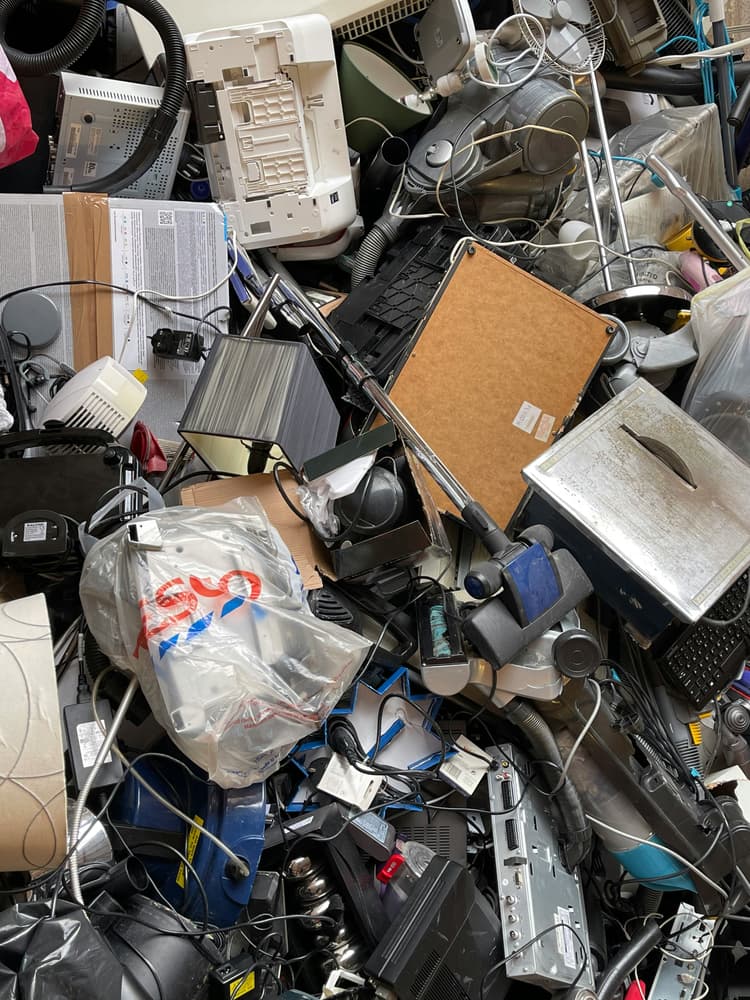
Circular economy.

Make repair-or-replace decisions before discarding products
Working products are thrown away because owners cannot tell whether repairing them is worth the cost.
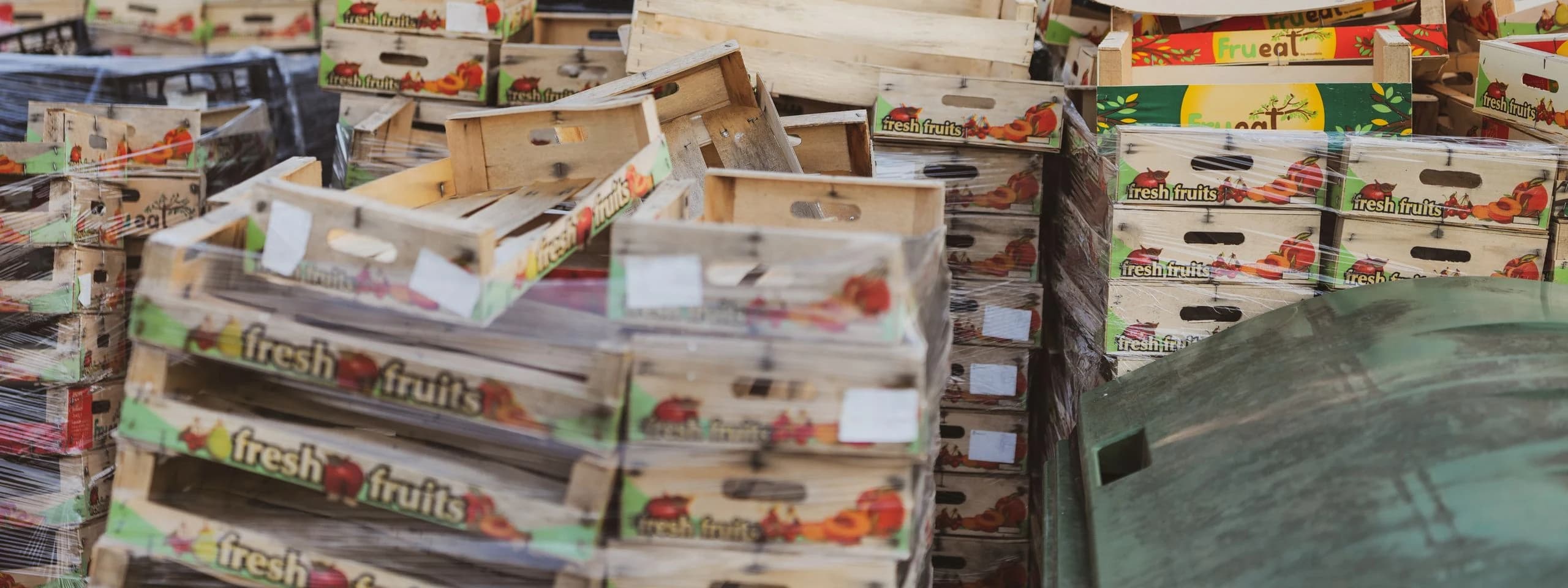
Match surplus products to nearby business buyers
Build an agent that finds nearby businesses that need your surplus and opens the match fast, so stock doesn't get dumped while someone else buys the same thing new.



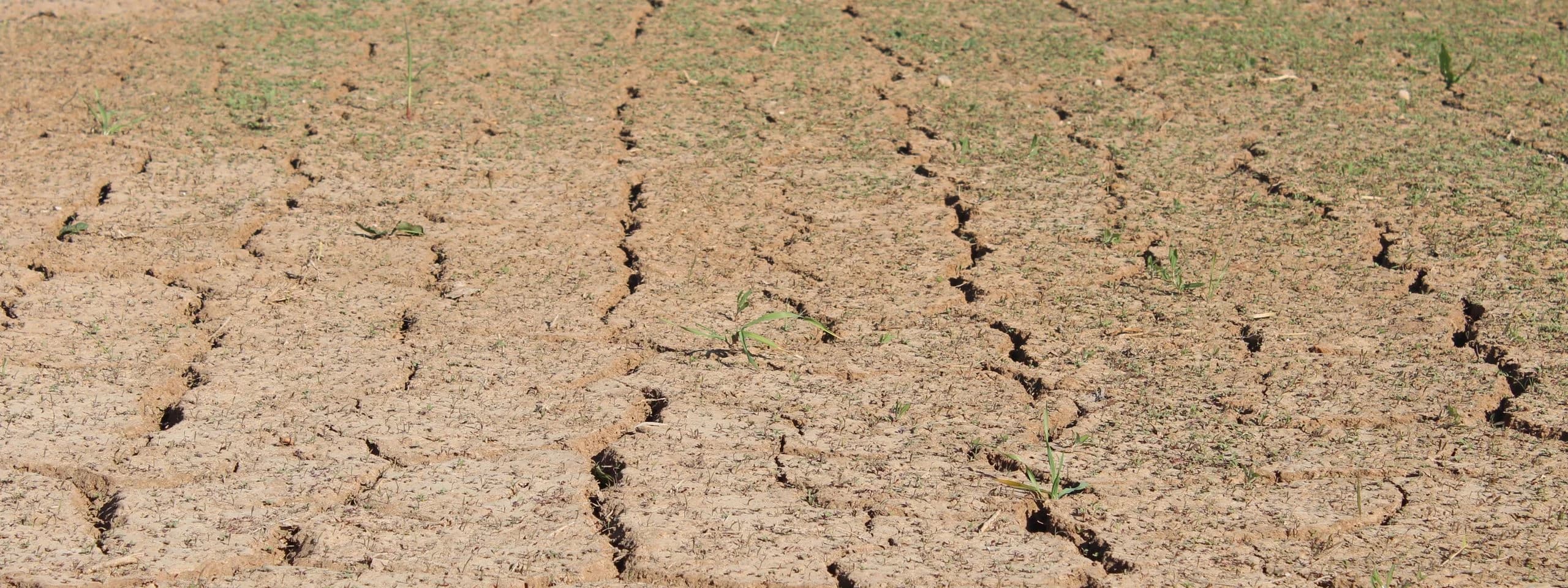
Water conservation.

Target irrigation to where crops actually need water
Build an agent that maps which parts of a field are thirsty vs already wet and tells irrigation where to go, so farmers stop soaking spots that don't need it.

Align irrigation schedules with soil and weather data
Build an agent that reads soil moisture and weather and proposes when to water (or wait), so schedules stop ignoring what's actually in the ground and sky.
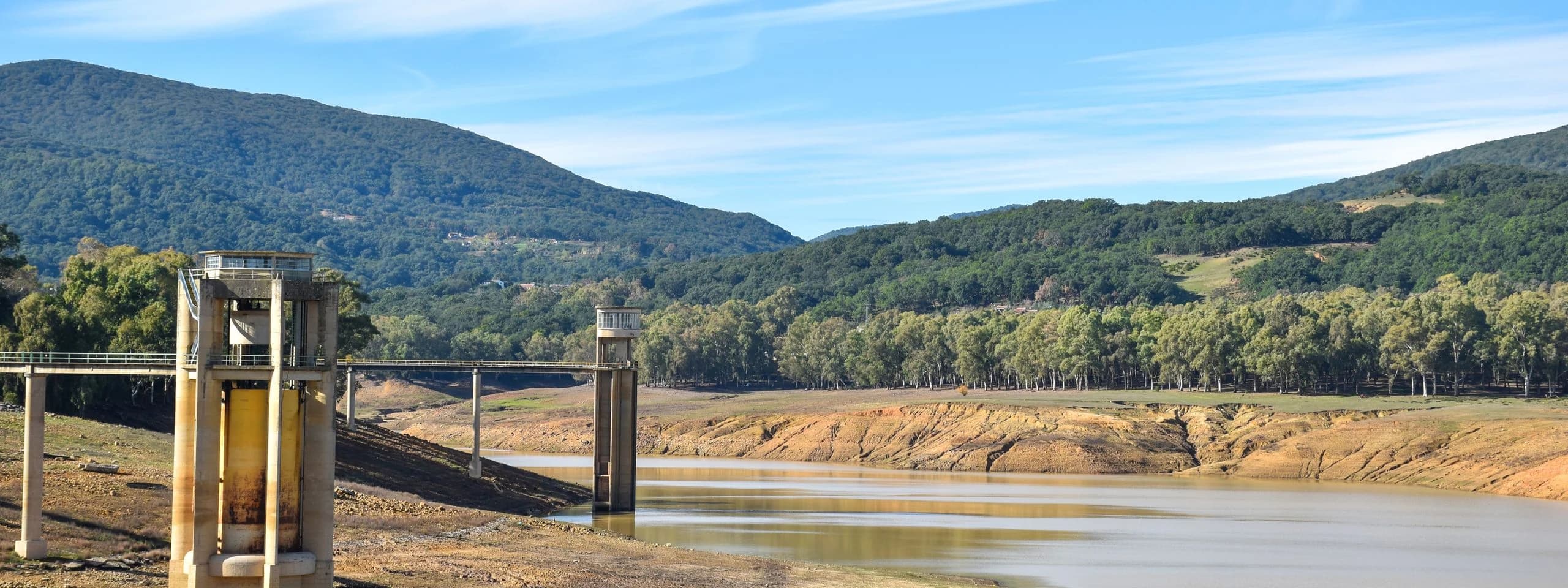
Distinguish temporary from sustained water demand rises
Build an agent that checks whether a demand spike is a blip or a lasting rise and flags what utilities should do, so shortages don't get worse from misreading the surge.
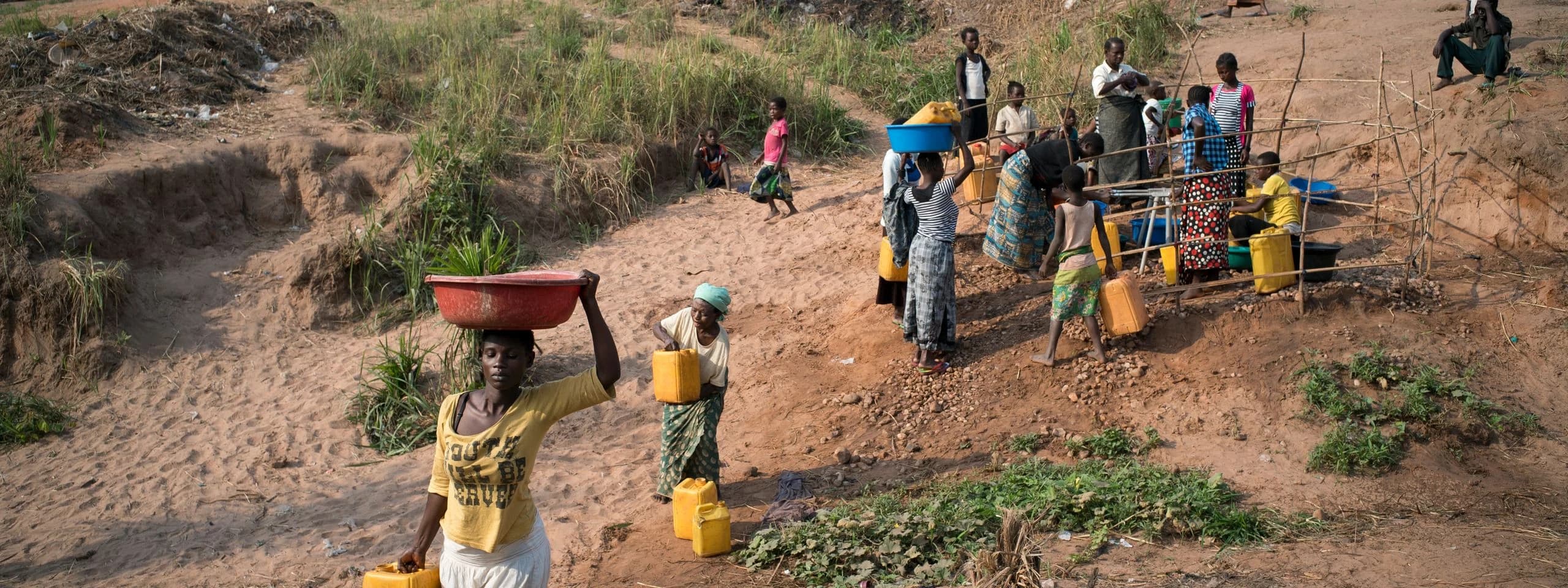
Show households which activities drive water use
Build an agent that ties usage to daily activities and shows what to change first, so households stop wasting water without knowing why.
Close the gap between urban water demand and supply
Build an agent that compares city demand vs reliable local supply and surfaces the biggest gaps to fix, so cities see the shortfall before the taps run short.
Detect water contamination earlier in distribution pipes
Build an agent that spots early contamination signals in the pipe network and alerts where to check, so bad water doesn't reach people first.
Identify highest-water processes in industry
Build an agent that ranks which processes drink the most water and what to cut first, so industry can reduce use instead of guessing.

Green transportation.
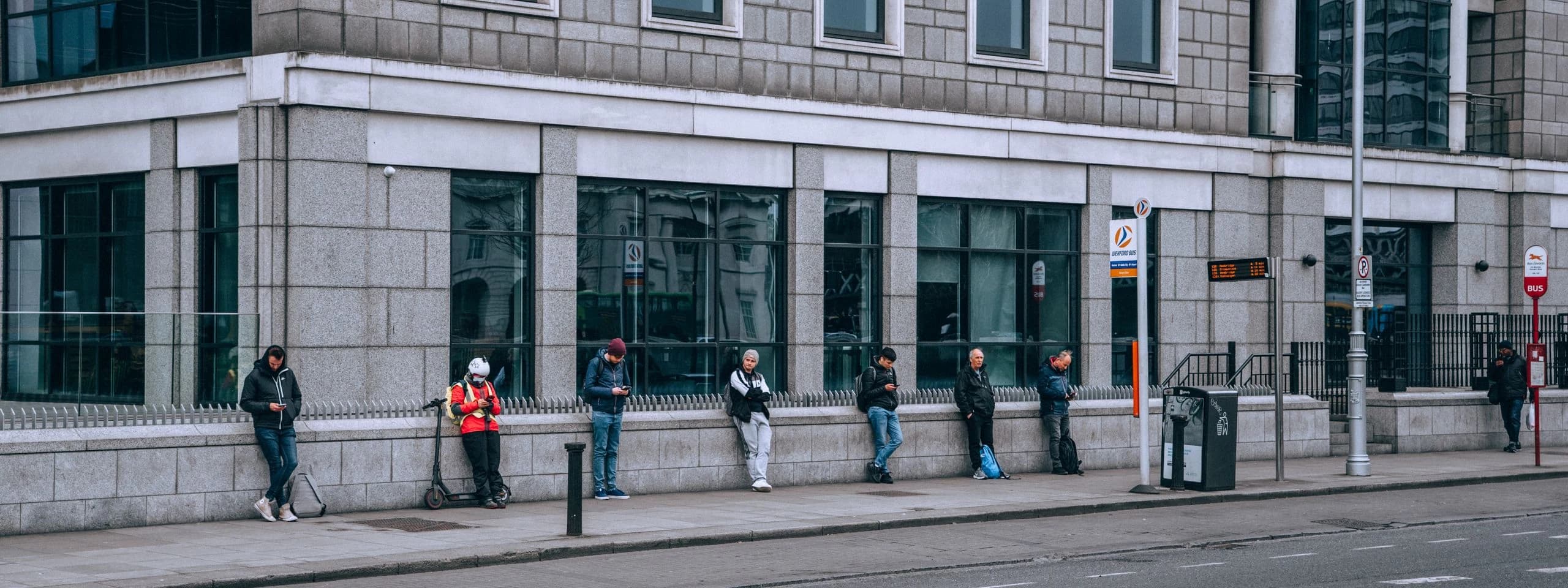
Stop public transport delays spreading across routes
Build an agent that catches delay knock-ons early and suggests how to contain them, so one late line doesn't cascade across the network.
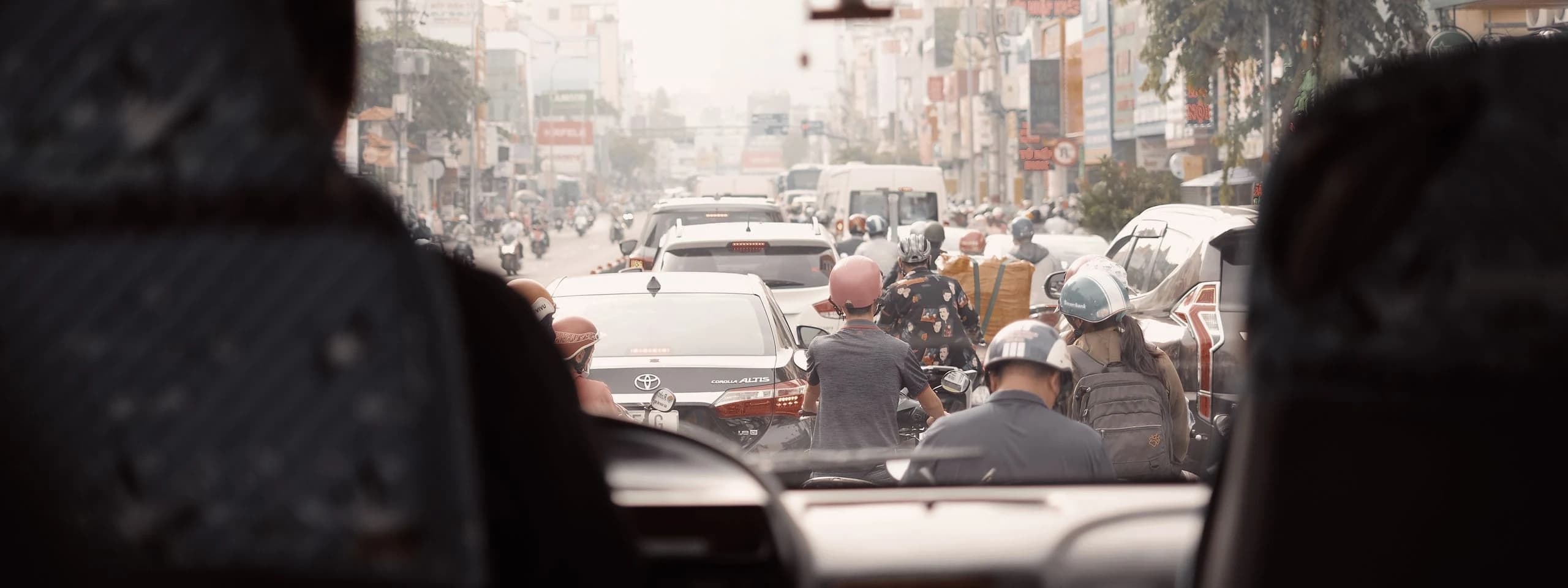
Find inefficient driving patterns in vehicle fleets
Build an agent that spots wasteful fleet driving patterns and suggests concrete changes, so fleets stop burning fuel on avoidable routes and habits.

Match bus routes to changing passenger demand
Build an agent that reads shifting ridership and proposes route or schedule tweaks, so buses stop running empty on some lines while people wait on others.


Biodiversity protection.
Work and economic growth.

Open employment pathways for people with disabilities
Build an agent that checks a job post and application flow for access gaps and rewrites the steps a candidate can actually take, so disability stops being a silent hiring filter.

Make independent (gig economy) worker to policymakers
Build an agent that turns messy field reports into a clear conditions brief with sources, so independent (gig economy) work stops being invisible in policy decisions.

See which skills still get people hired as AI shifts demand
Build an agent that compares today's skills to live demand signals and says which ones to keep, drop, or add next, so people stop guessing which skills still pay.



Social inequality.
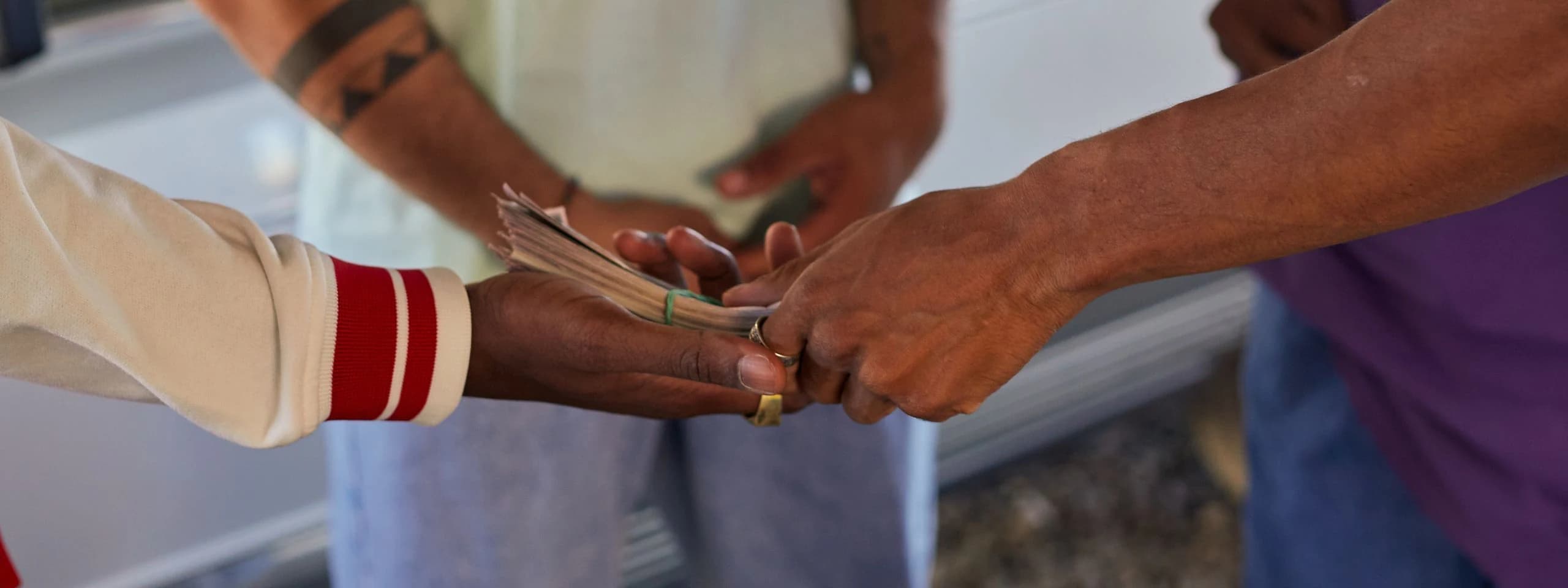
Reduce banking and credit costs for low-income households
Build an agent that compares fairer banking/credit options against someone's current costs and shows a switch path, so low-income households stop overpaying by default.
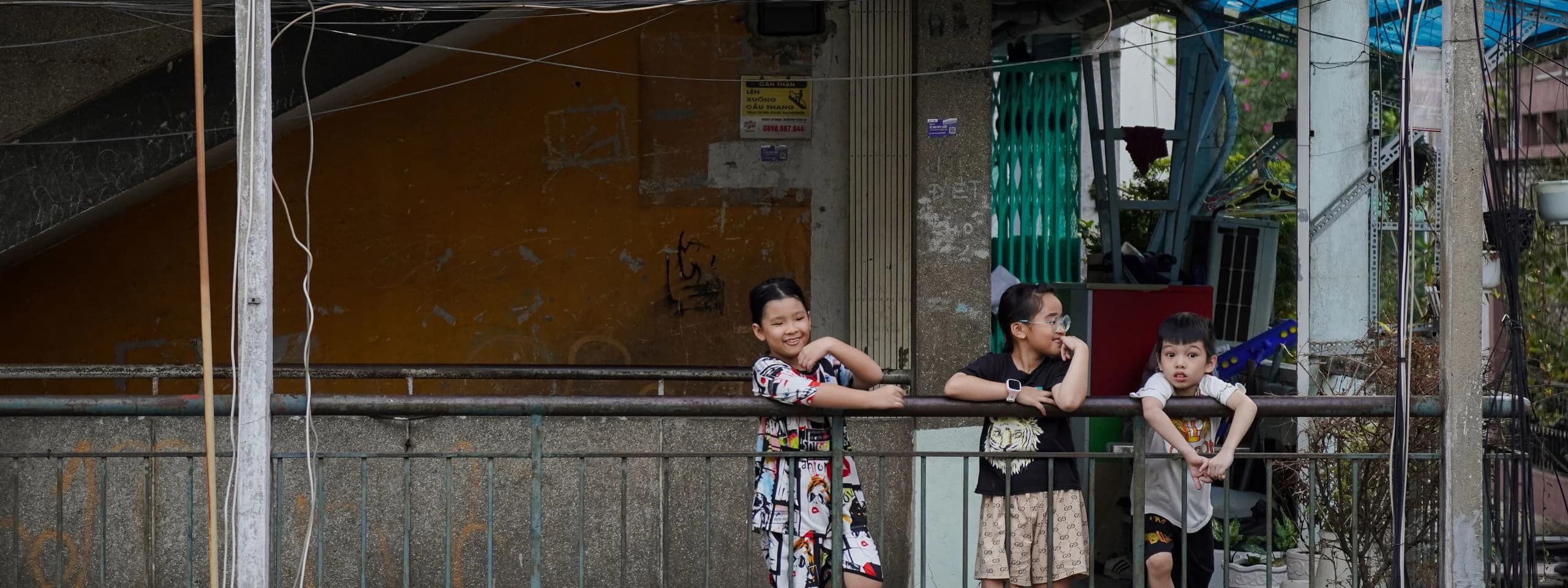
Connect eligible families to support they qualify for
Build an agent that matches a family's situation to benefits they qualify for and walks the apply steps, so support doesn't get missed in paperwork fog.

Close learning support gaps across socioeconomic backgrounds
Build an agent that finds missing learning supports for a student and connects them to real help, so background stops deciding who gets support.

Extend learning support beyond school for lower-income students
Build an agent that finds after-school/home supports that actually fit and schedules the next step, so learning help doesn't end at the school gate.

Make essential digital services work with accessibility tools
Build an agent that tests key digital services with assistive tech and rewrites broken flows, so essential services don't fail people who use accessibility tools.

Make public spaces consistently accessible to all
Build an agent that checks sidewalks, entrances, and facilities for access gaps and proposes fixes, so disability stops blocking public space.

Quality of education.
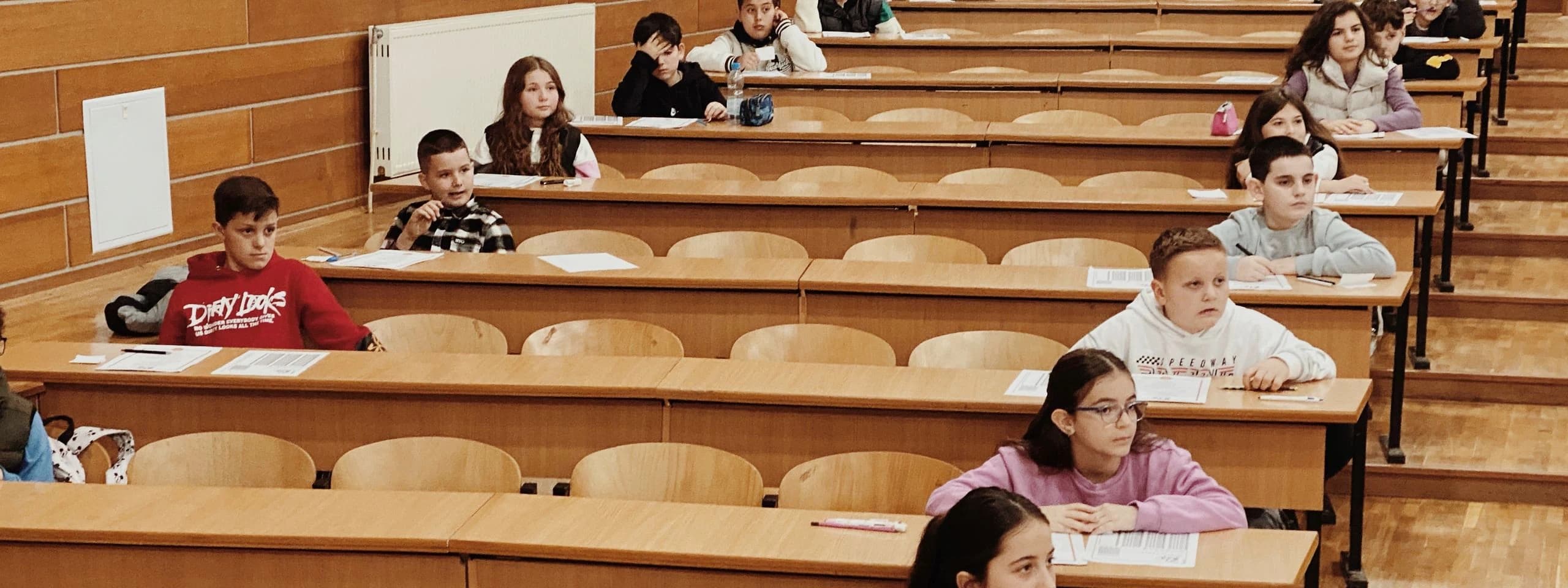
Expand practical technology skills in under-resourced schools
Build an agent that finds workable projects, tools, and paths for under-resourced schools and coaches the next lesson step, so practical tech skills stop depending on which school you're in.



Health and wellness.

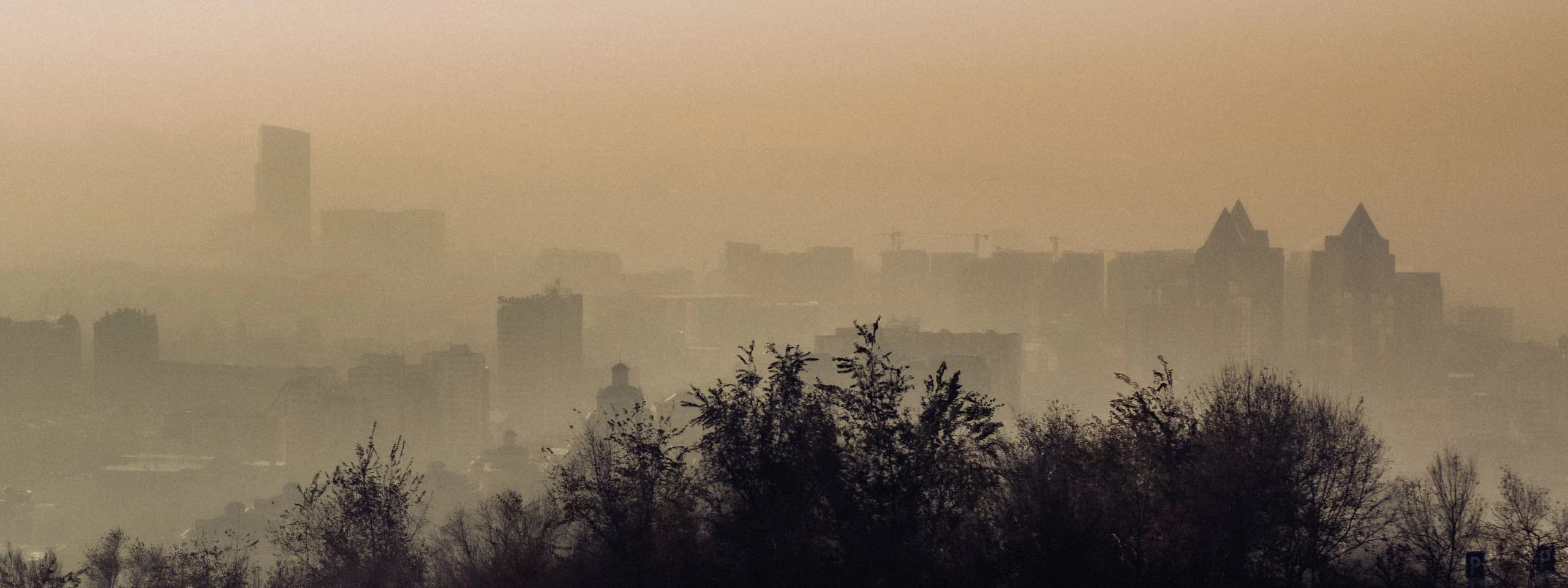
Identify local air pollution sources and exposure levels
Build an agent that pins down nearby pollution sources and who is exposed, so people aren't breathing bad air they can't see or name.
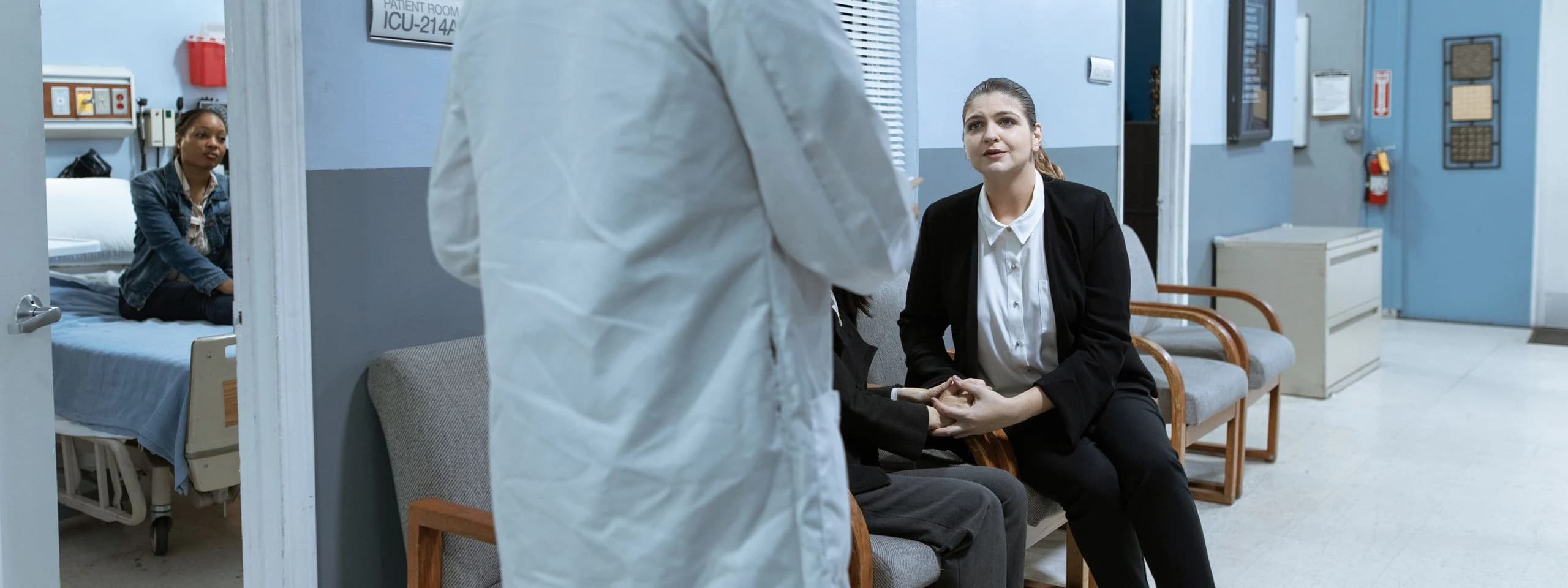
Reduce unnecessary self-diagnosis overloading medical facilities
Build an agent that steers people to the right next step (self-care / pharmacist / urgent care / ER) instead of panic-Googling, so clinics aren't clogged by avoidable self-diagnosis traffic.

Close healthcare quality gaps in underserved communities
Build an agent that maps care gaps (doctors, clinics, wait/treatment capacity) and points people or planners to the biggest holes, so underserved areas stop getting lower-quality care by default.

Reduce heat illness in neighborhoods lacking shade and cooling
Build an agent that finds heat-risk blocks and nearest cooling/shade options and tells residents what to do now, so extreme heat doesn't hit shade-poor neighborhoods hardest.


Sustainable cities and communities.
Poverty and hunger.
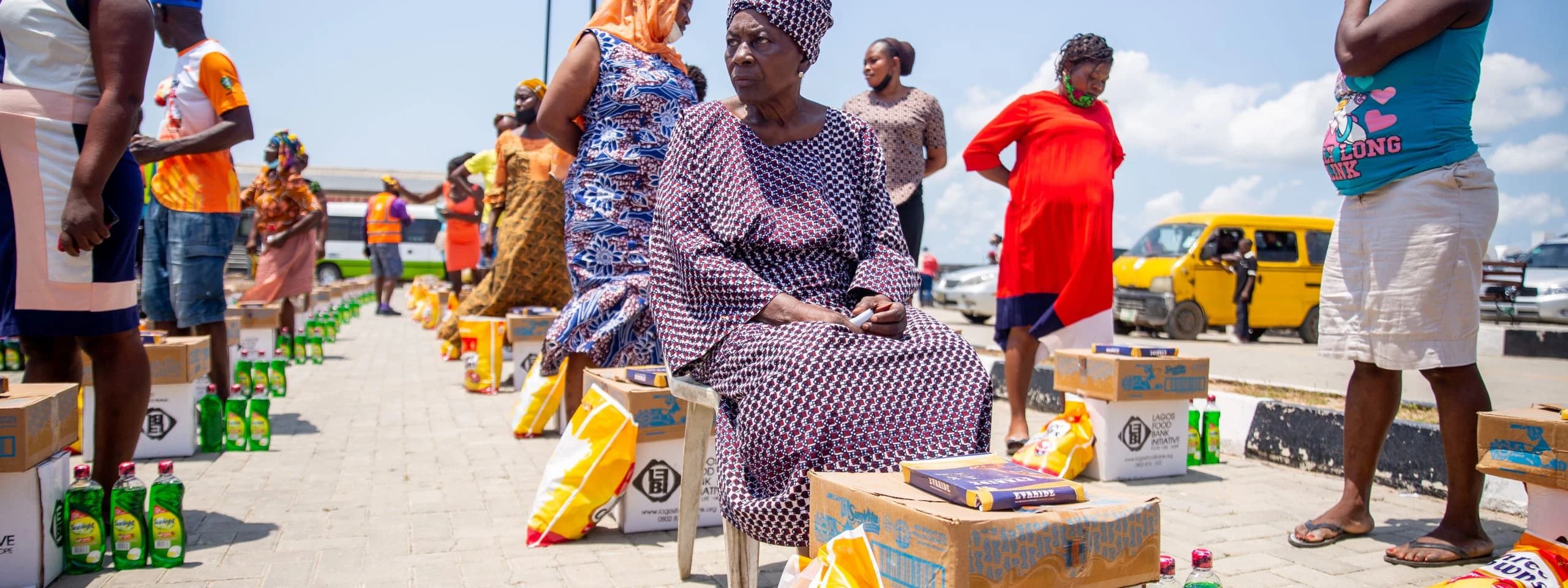
Balance food bank supply with changing local demand
Build an agent that matches donations to where need is rising and flags shortfalls early, so some communities aren't empty while food sits elsewhere.



Peace, justice and institutions.
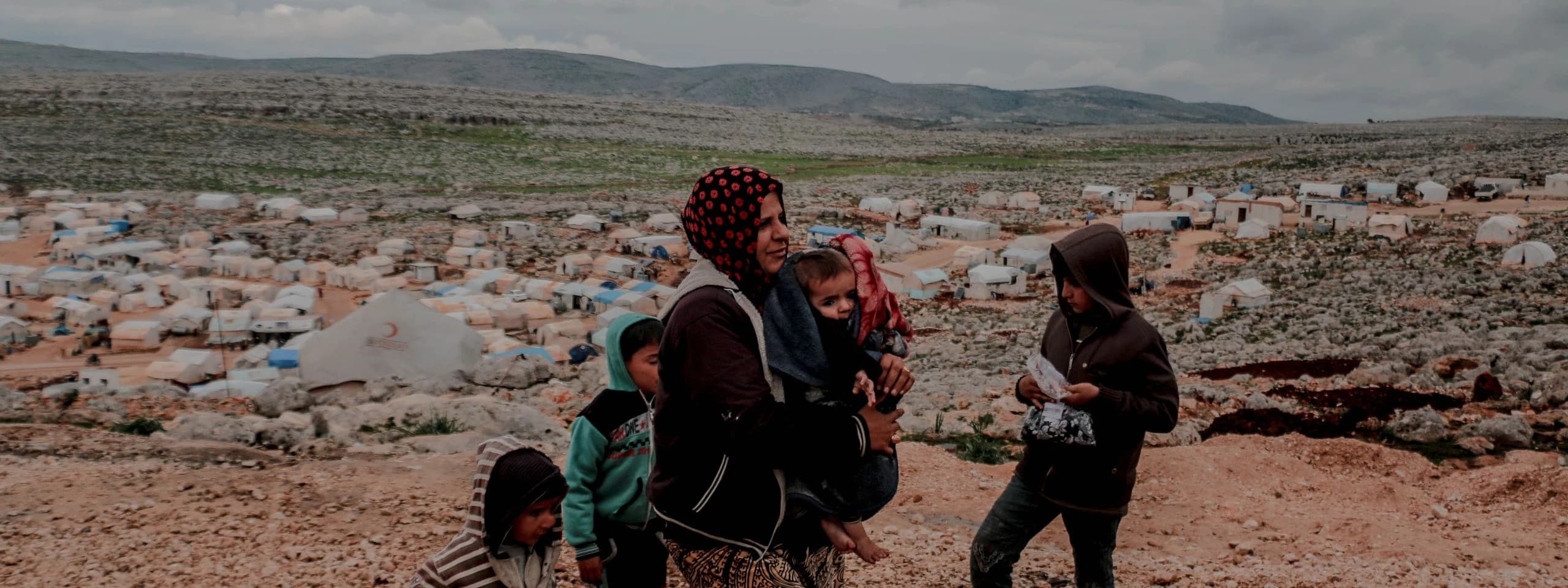
Speed humanitarian response to rising conflict-related needs
Build an agent that tracks rising needs and population moves and recommends where to send help first, so aid isn't too little or too late.

Right-size humanitarian aid to changing local needs
Build an agent that recalibrates aid amounts from live local need and service availability, so communities don't get the wrong amount because assessments lagged.
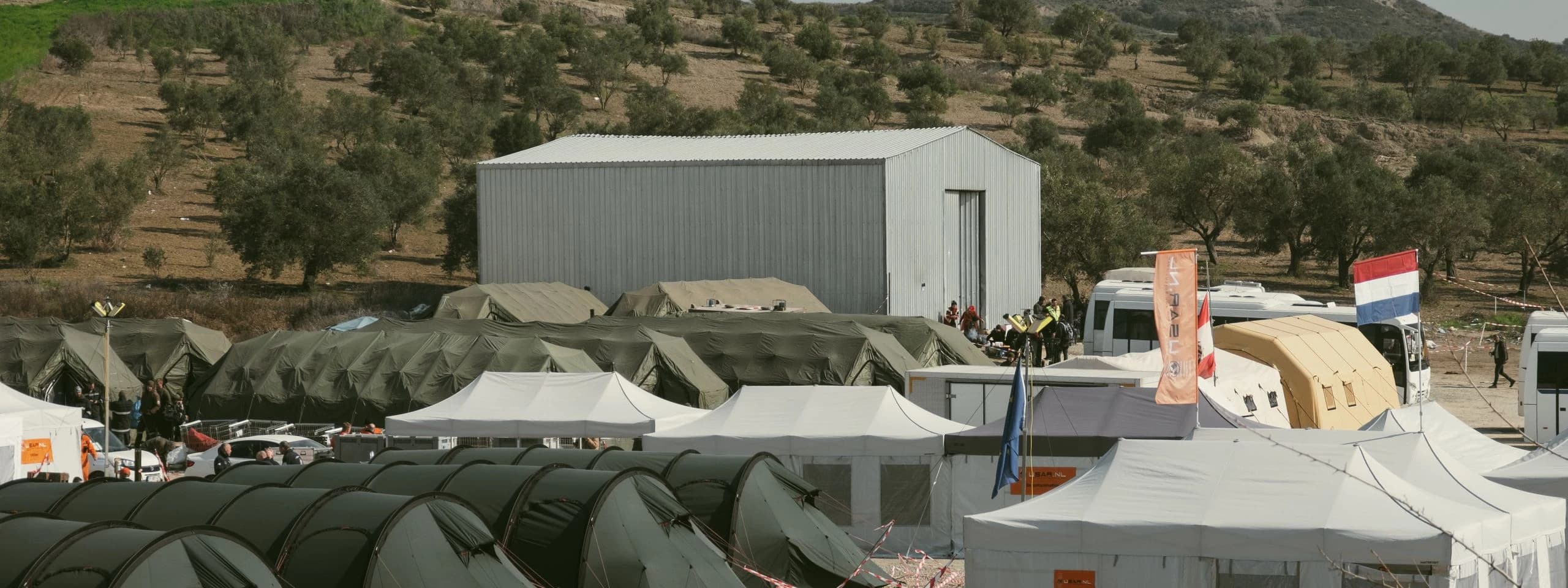
Surface early conflict signs from scattered community reports
Build an agent that stitches scattered incidents and grievances into early warning, so authorities don't miss conflict until it blows up.

Keep humanitarian aid routes safe amid rapid change
Build an agent that watches roads, hazards, and movements and flags safer routing, so aid routes don't go blind when conditions flip fast.
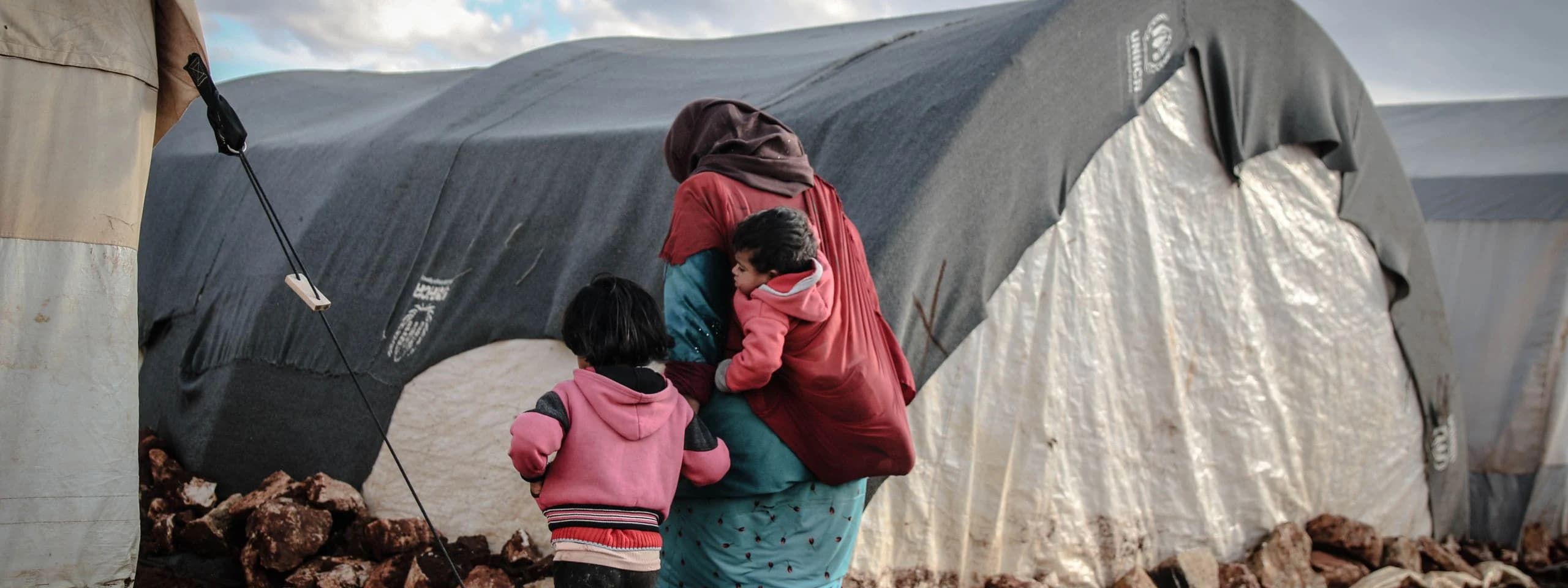
Connect displaced people to essential services across agencies
Build an agent that links registration, location, and available services across orgs and shows the next service step, so displaced people don't fall between systems.
Give courts timely visibility into case status and workload
Build an agent that surfaces case status and workload for judges and staff in time to act, so cases don't stall for lack of a shared picture.

Guide people to legal help they are eligible for
Build an agent that matches someone's situation to legal help they qualify for and the next contact step, so eligibility maze doesn't block help.
Show whether public policies are working across agencies
Build an agent that pulls implementation results across agencies into one "working / not / unknown" view, so institutions aren't flying blind on policy results.

Flag unusual decisions across millions of public transactions
Build an agent that spots odd decisions in huge transaction streams and explains why they look unusual, so admin errors don't hide in volume.



Anti-corruption.

Link hidden company owners to public contract awards
Build an agent that connects ownership records to who won public contracts and flags hidden-owner wins, so shell opacity doesn't hide who got public money.

Trace conflicts of interest across executives and officials
Build an agent that maps links between executives, suppliers, and officials and flags conflict risks, so cozy ties don't stay untraceable.


Unethical sourcing.
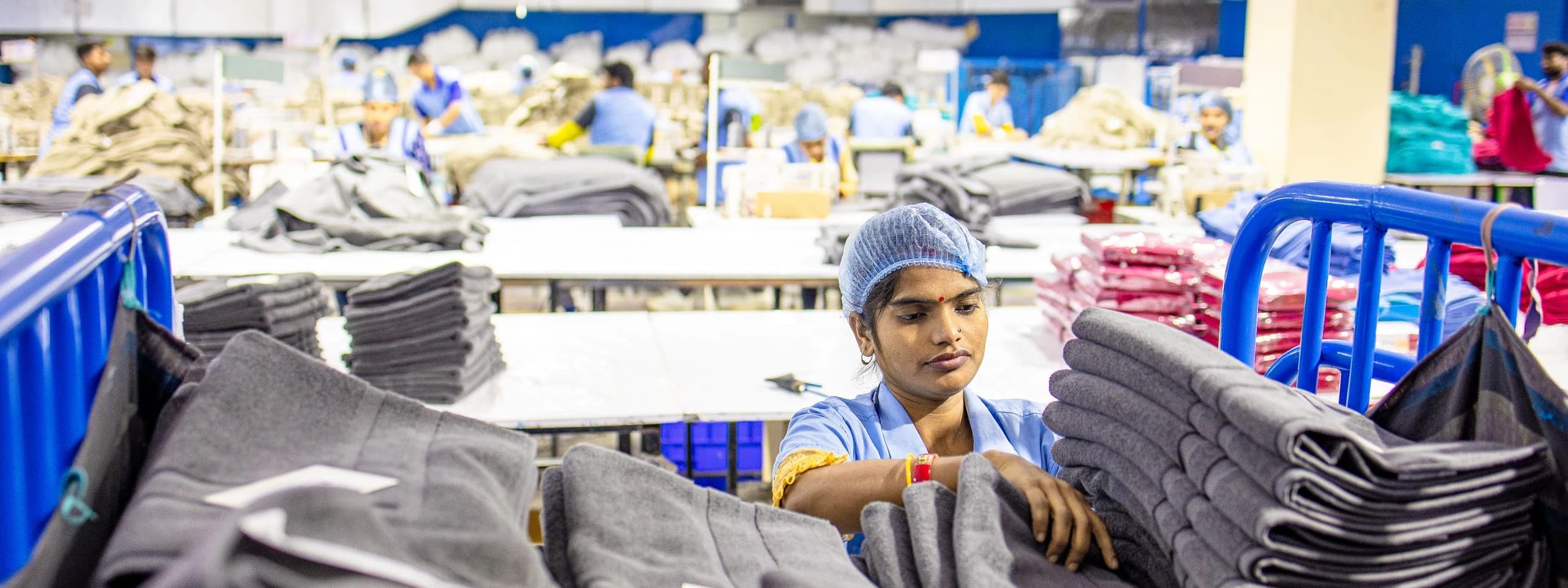
Trace forced-labor risks deep in supplier networks
Build an agent that crawls supplier tiers for forced-labor risk signals and shows where to dig next, so risk doesn't hide deep in the chain.


AI safety.

Verify whether AI-generated content is authentic
Build an agent that checks provenance and live sources and returns verified / unverified / conflicting — never a fake all-clear — so orgs can tell what's real before they act.

Prevent AI agents acting on conflicting instructions
Build an agent that detects instruction conflicts (user vs tool vs page vs policy) and refuses or escalates instead of acting, so agents don't do the wrong thing when signals clash.

Block unauthorized actions by AI agents using tools
Build an agent that gates tool use against permissions and suspicious external content and blocks unauthorized actions, so agents can't be nudged into doing things they shouldn't.
Slow false information before it outpaces fact-checkers
Build an agent that triages fast-moving claims with live checks and next-step guidance, so false info doesn't race past verification unchallenged.

Detect AI impersonation of real people in media
Build an agent that checks image/audio/video for impersonation risk and says what to do next, so cloned faces and voices don't pass as the real person.

Protect children from unsafe advice in AI systems
Build an agent that screens AI answers for age/unsafe advice and refuses or redirects, so kids don't get harmful guidance from systems that ignore vulnerability.

FAQ
Everything you need to know about participating.
Who can participate?
Is it free?
How to get started?
- Create an account.
- Choose a challenge you would like to work on.
- Follow guides to solve the problem (solo or in a team).
- Submit your solution.
- Receive feedback from experts and see results at the start of each month.
Are there any deadlines?
Can I participate as part of a team?
How to obtain assistance from mentors?
Can participants apply multiple times?
Join our community
 today.
Join our challenge and turn your ideas into impactful solutions! Collaborate with experts, develop crucial skills, and tackle real-world problems. Your creativity could be the key to driving sustainable change.