Social challenges.
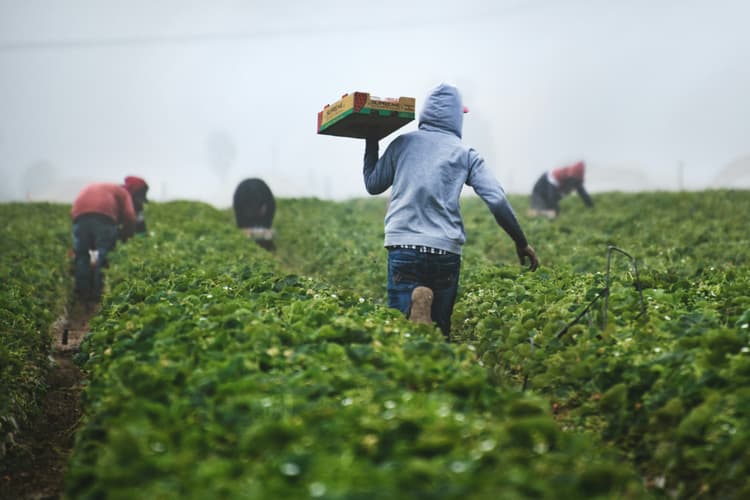
Work and economic growth.

Open employment pathways for people with disabilities
Build an agent that checks a job post and application flow for access gaps and rewrites the steps a candidate can actually take, so disability stops being a silent hiring filter.

Make independent (gig economy) worker to policymakers
Build an agent that turns messy field reports into a clear conditions brief with sources, so independent (gig economy) work stops being invisible in policy decisions.

See which skills still get people hired as AI shifts demand
Build an agent that compares today's skills to live demand signals and says which ones to keep, drop, or add next, so people stop guessing which skills still pay.



Social inequality.
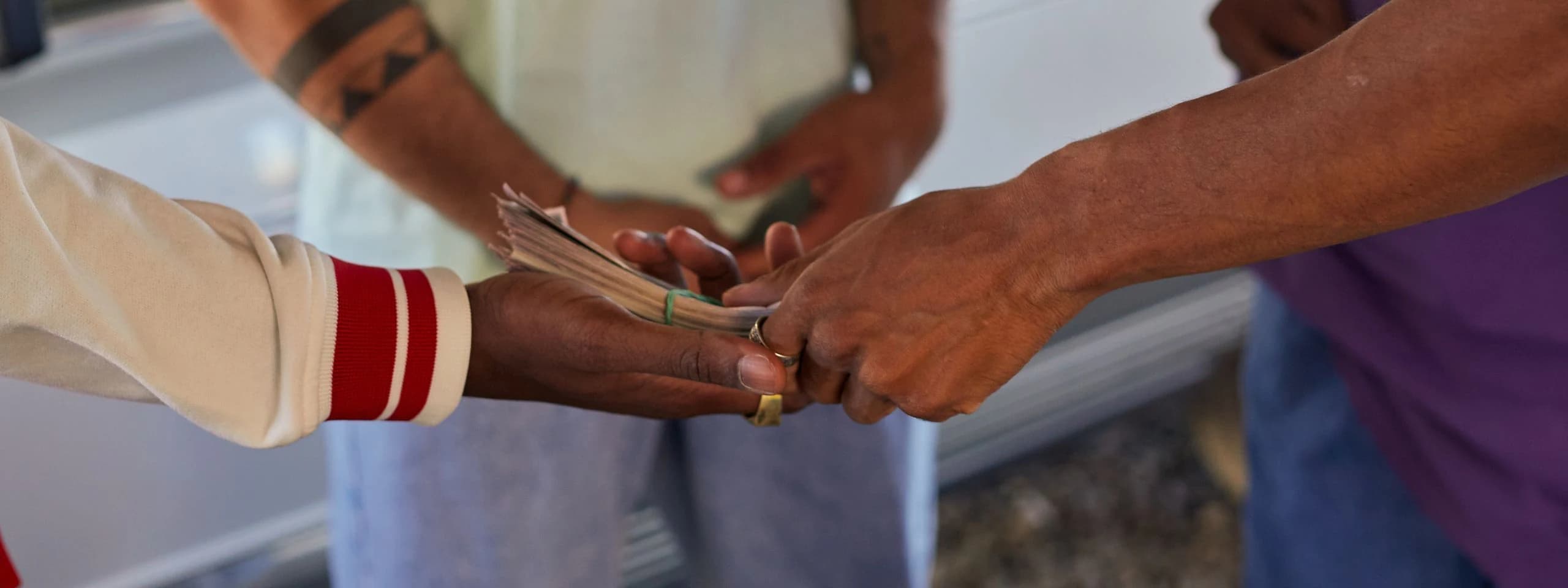
Reduce banking and credit costs for low-income households
Build an agent that compares fairer banking/credit options against someone's current costs and shows a switch path, so low-income households stop overpaying by default.
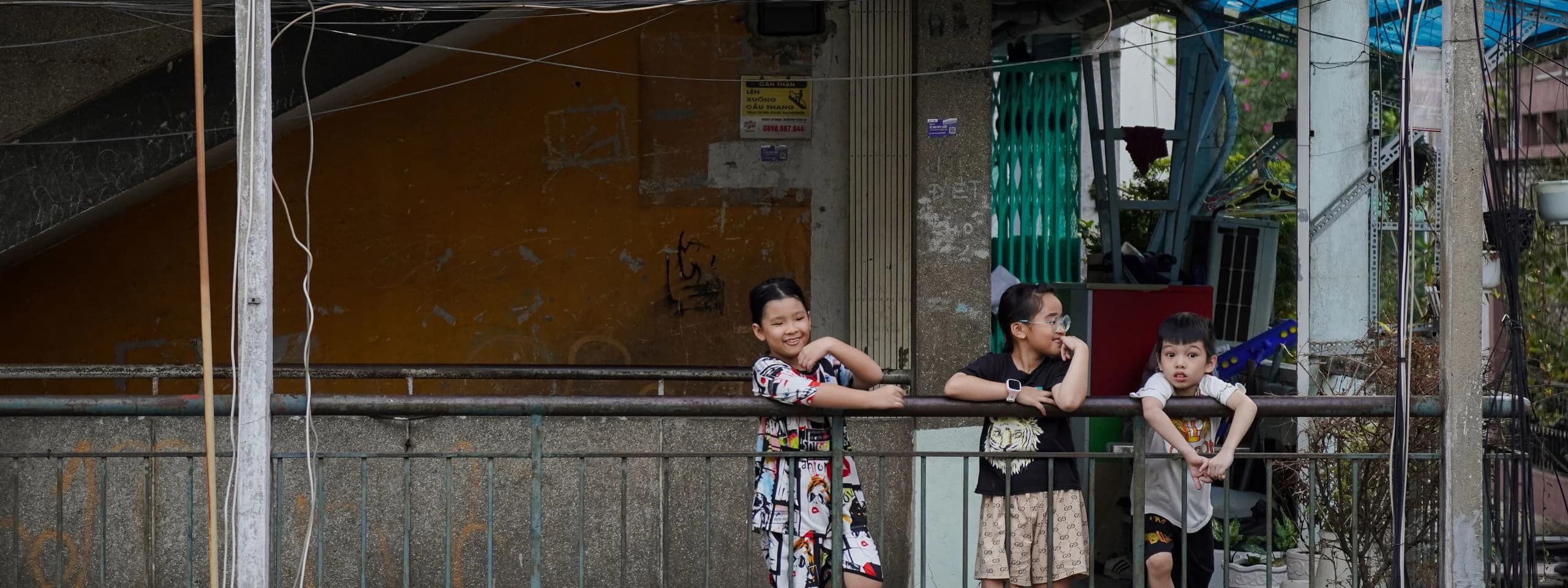
Connect eligible families to support they qualify for
Build an agent that matches a family's situation to benefits they qualify for and walks the apply steps, so support doesn't get missed in paperwork fog.

Close learning support gaps across socioeconomic backgrounds
Build an agent that finds missing learning supports for a student and connects them to real help, so background stops deciding who gets support.

Extend learning support beyond school for lower-income students
Build an agent that finds after-school/home supports that actually fit and schedules the next step, so learning help doesn't end at the school gate.

Make essential digital services work with accessibility tools
Build an agent that tests key digital services with assistive tech and rewrites broken flows, so essential services don't fail people who use accessibility tools.

Make public spaces consistently accessible to all
Build an agent that checks sidewalks, entrances, and facilities for access gaps and proposes fixes, so disability stops blocking public space.

Quality of education.
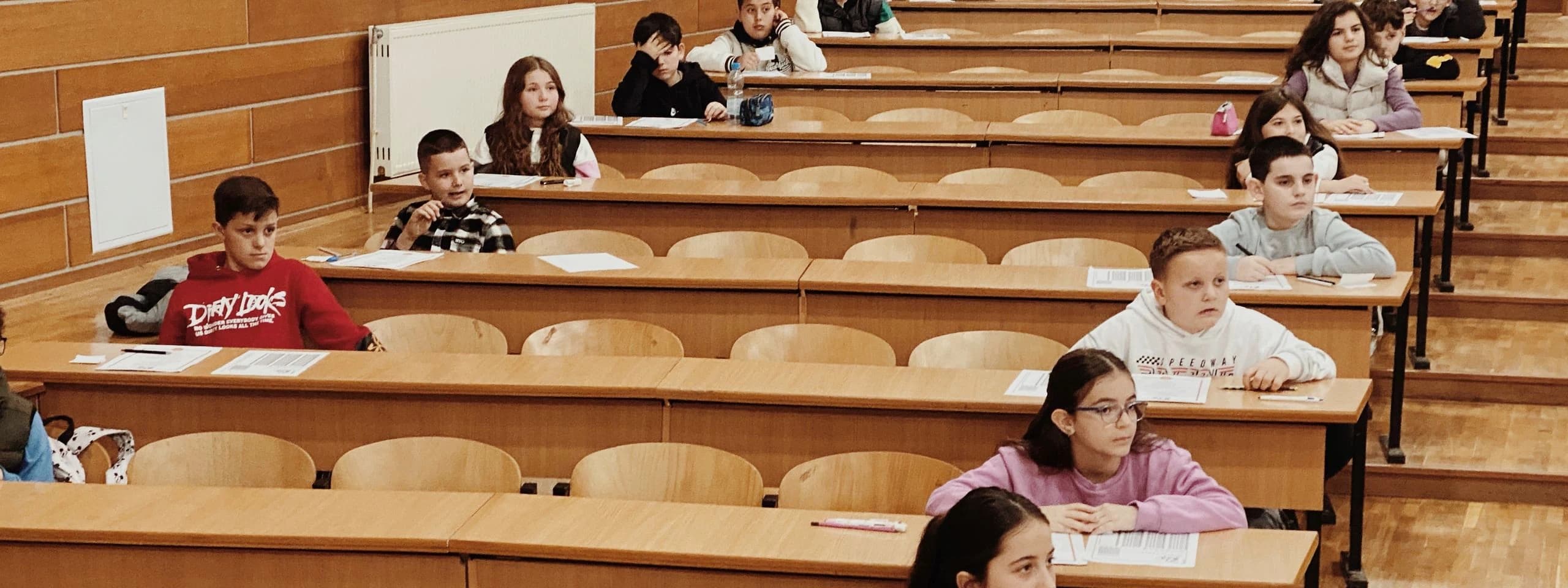
Expand practical technology skills in under-resourced schools
Build an agent that finds workable projects, tools, and paths for under-resourced schools and coaches the next lesson step, so practical tech skills stop depending on which school you're in.


Health and wellness.

Identify local air pollution sources and exposure levels
Build an agent that pins down nearby pollution sources and who is exposed, so people aren't breathing bad air they can't see or name.
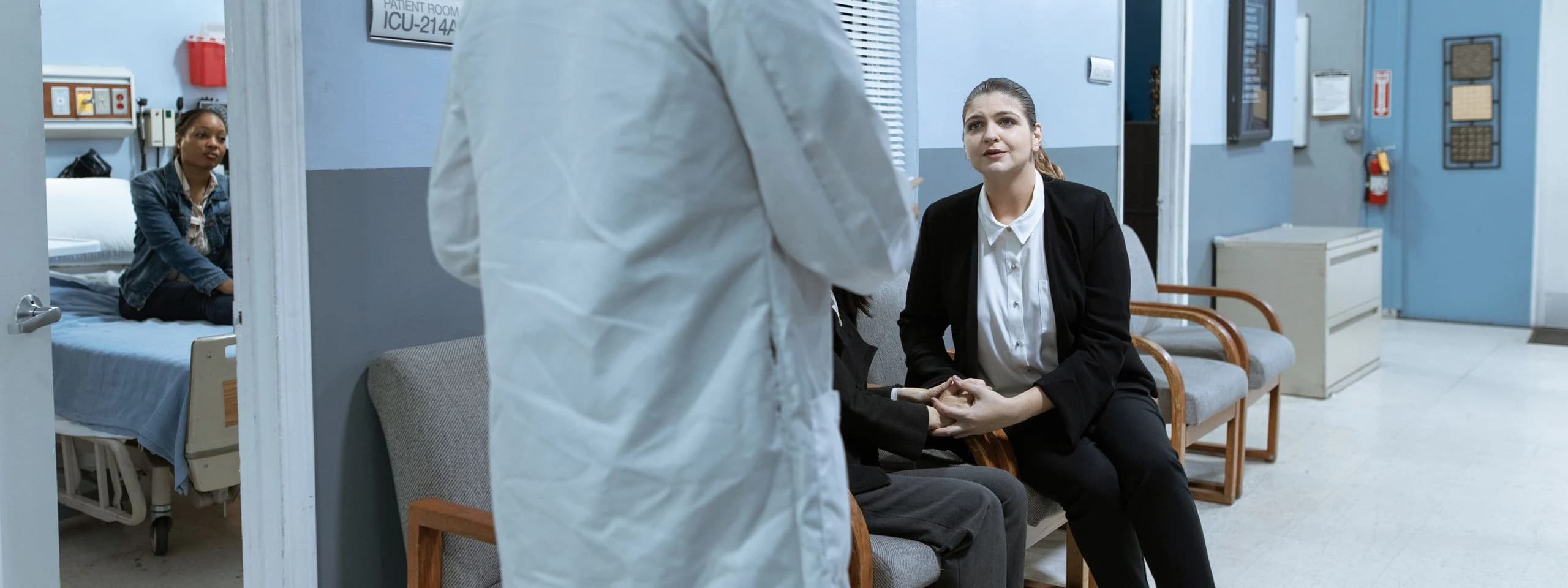
Reduce unnecessary self-diagnosis overloading medical facilities
Build an agent that steers people to the right next step (self-care / pharmacist / urgent care / ER) instead of panic-Googling, so clinics aren't clogged by avoidable self-diagnosis traffic.
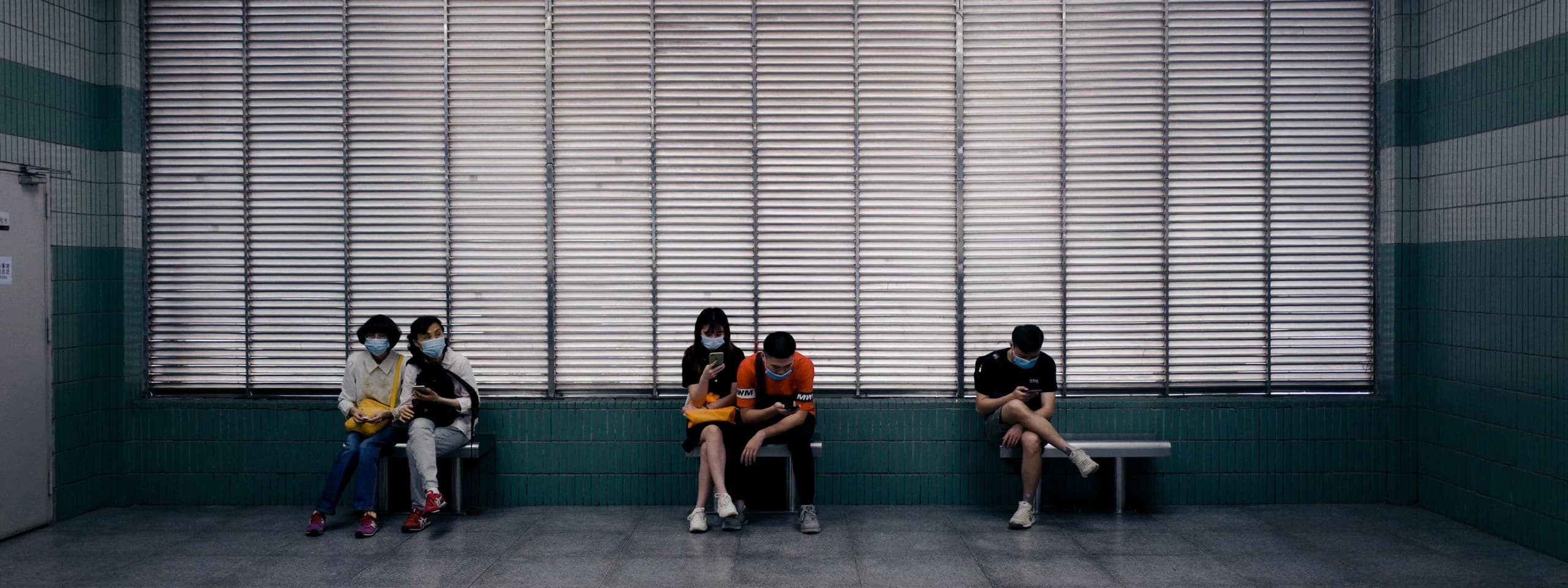
Close healthcare quality gaps in underserved communities
Build an agent that maps care gaps (doctors, clinics, wait/treatment capacity) and points people or planners to the biggest holes, so underserved areas stop getting lower-quality care by default.
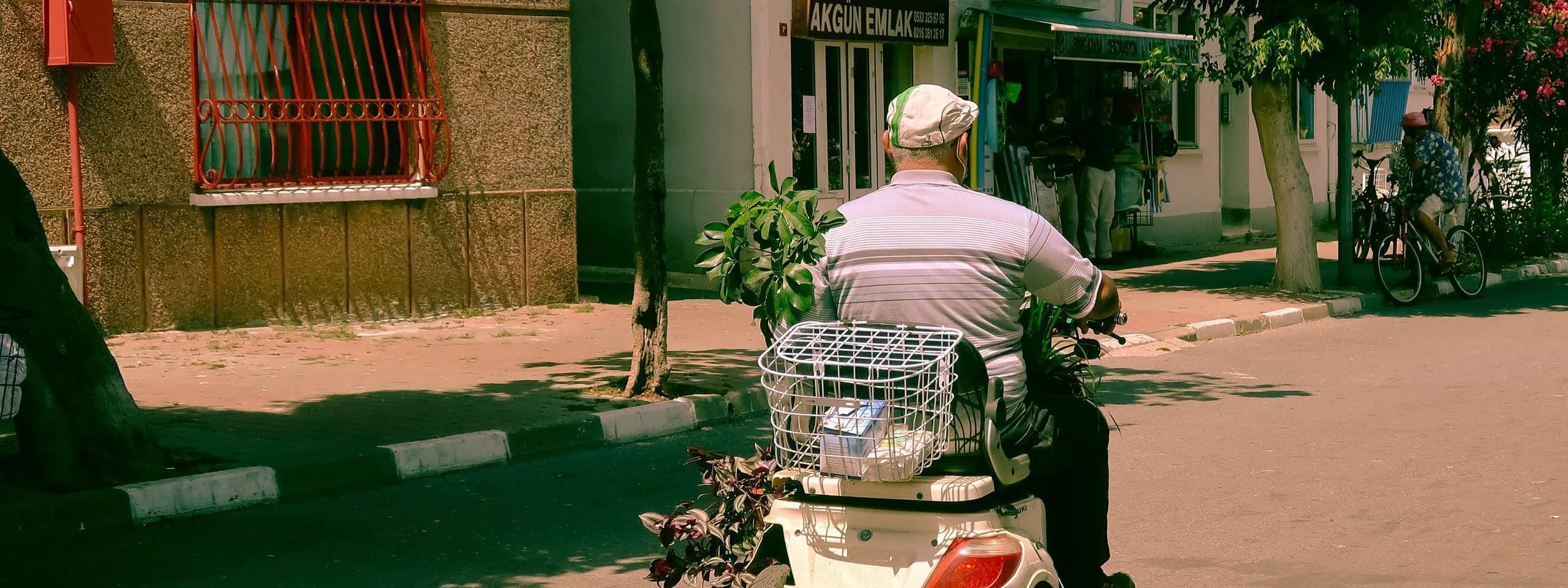
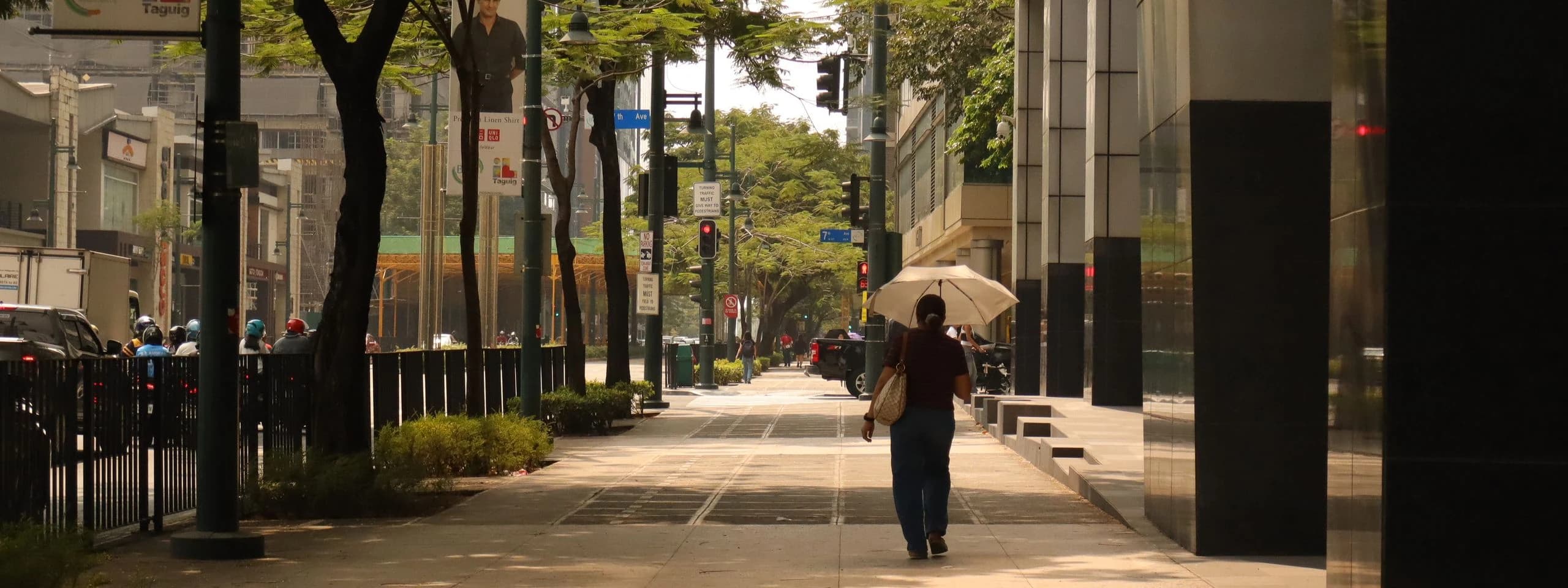
Reduce heat illness in neighborhoods lacking shade and cooling
Build an agent that finds heat-risk blocks and nearest cooling/shade options and tells residents what to do now, so extreme heat doesn't hit shade-poor neighborhoods hardest.

Sustainable cities and communities.
FAQ
Everything you need to know about participating.
Who can participate?
Is it free?
How to get started?
- Create an account.
- Choose a challenge you would like to work on.
- Follow guides to solve the problem (solo or in a team).
- Submit your solution.
- Receive feedback from experts and see results at the start of each month.
Are there any deadlines?
Can I participate as part of a team?
How to obtain assistance from mentors?
Can participants apply multiple times?
Join our community
 today.
Join our challenge and turn your ideas into impactful solutions! Collaborate with experts, develop crucial skills, and tackle real-world problems. Your creativity could be the key to driving sustainable change.