Governance challenges.
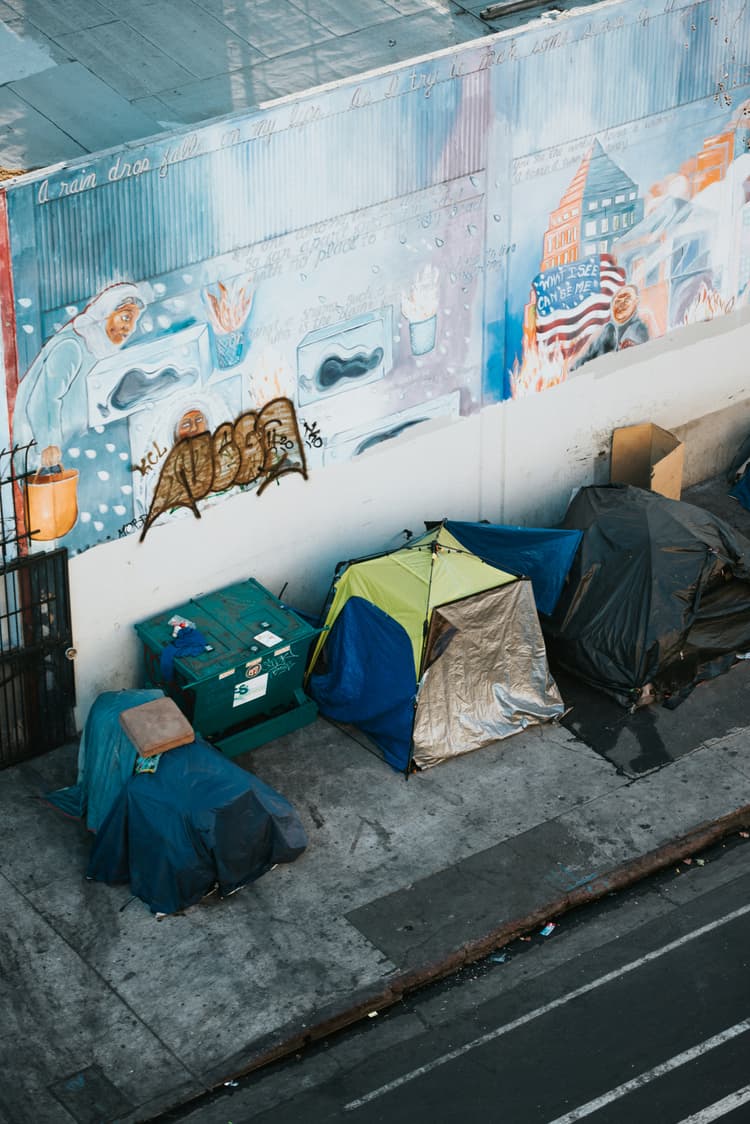
Poverty and hunger.
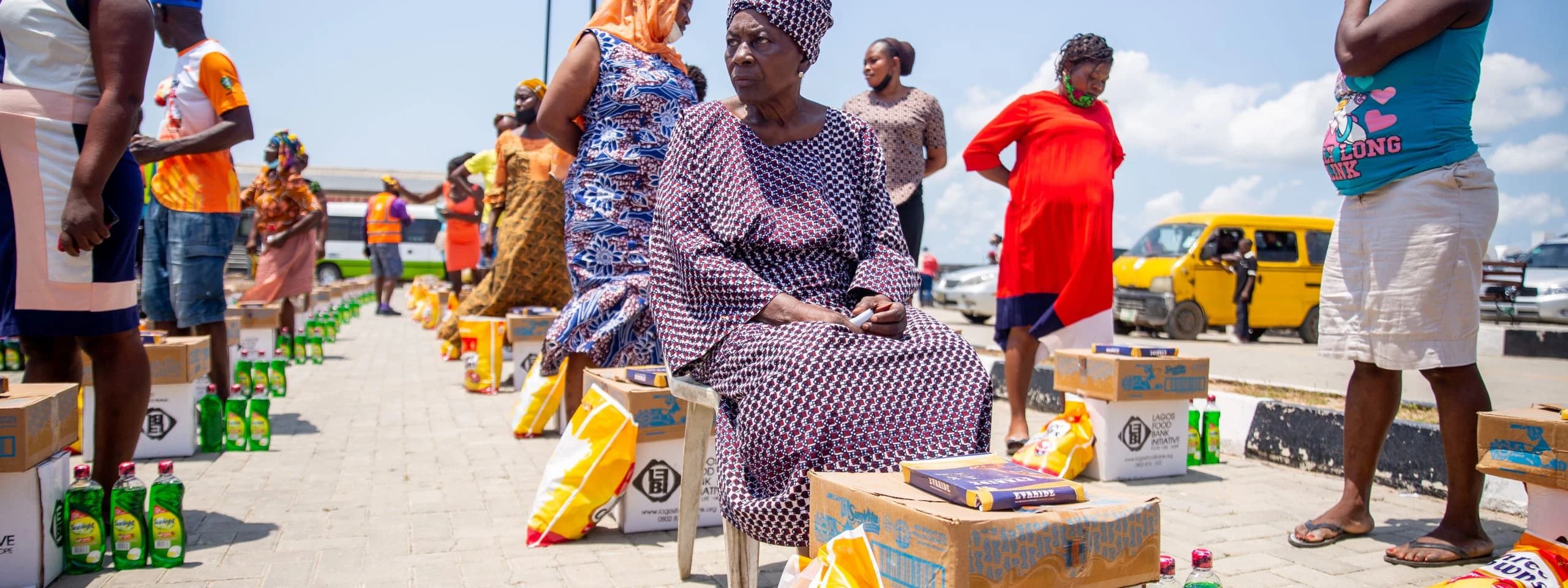
Balance food bank supply with changing local demand
Build an agent that matches donations to where need is rising and flags shortfalls early, so some communities aren't empty while food sits elsewhere.


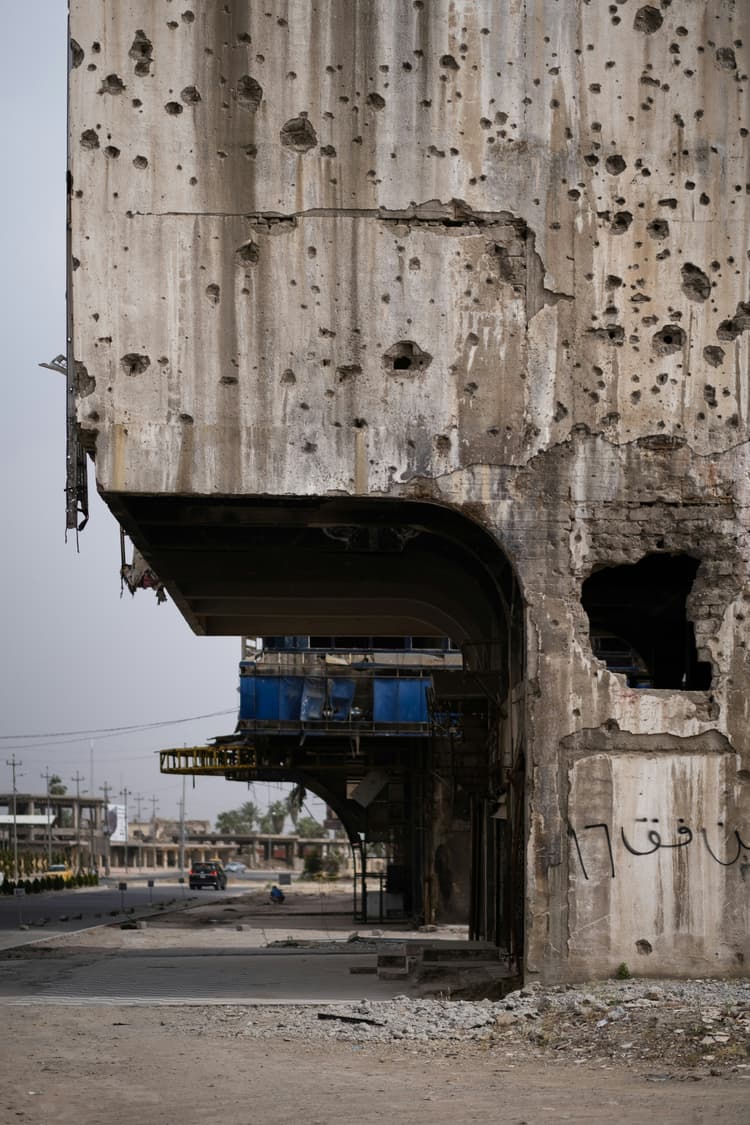
Peace, justice and institutions.
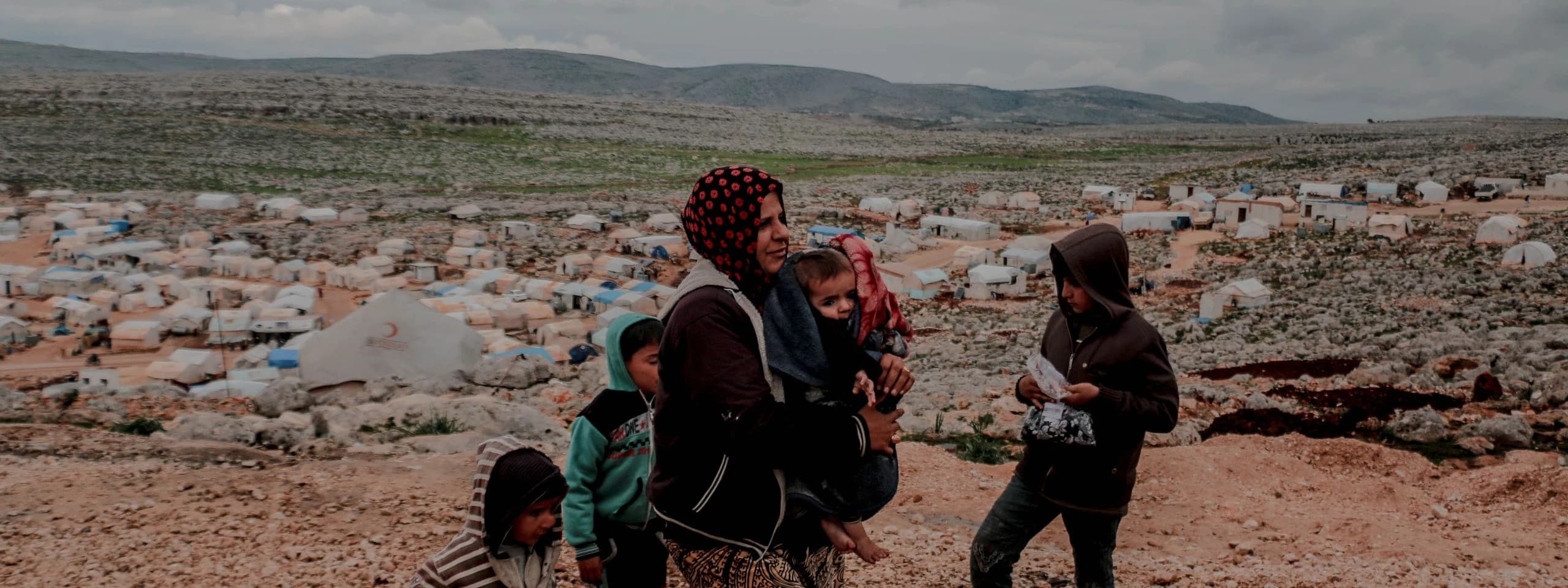
Speed humanitarian response to rising conflict-related needs
Build an agent that tracks rising needs and population moves and recommends where to send help first, so aid isn't too little or too late.

Right-size humanitarian aid to changing local needs
Build an agent that recalibrates aid amounts from live local need and service availability, so communities don't get the wrong amount because assessments lagged.
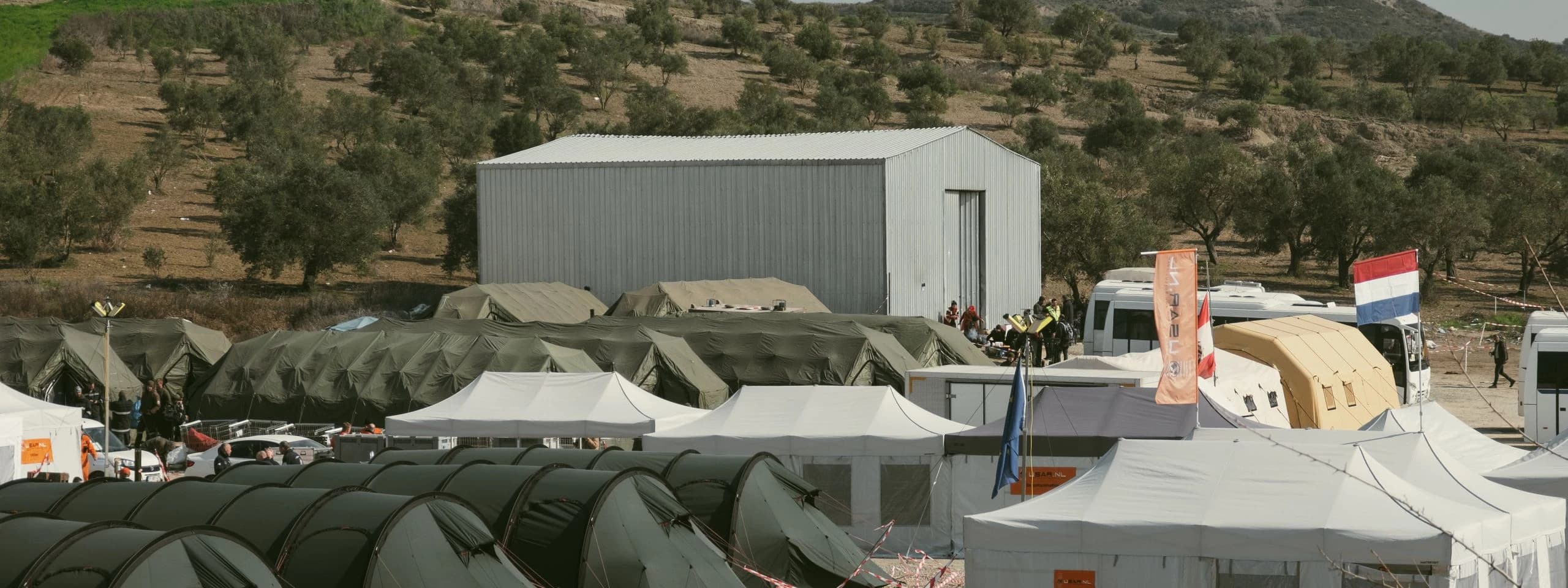
Surface early conflict signs from scattered community reports
Build an agent that stitches scattered incidents and grievances into early warning, so authorities don't miss conflict until it blows up.

Keep humanitarian aid routes safe amid rapid change
Build an agent that watches roads, hazards, and movements and flags safer routing, so aid routes don't go blind when conditions flip fast.
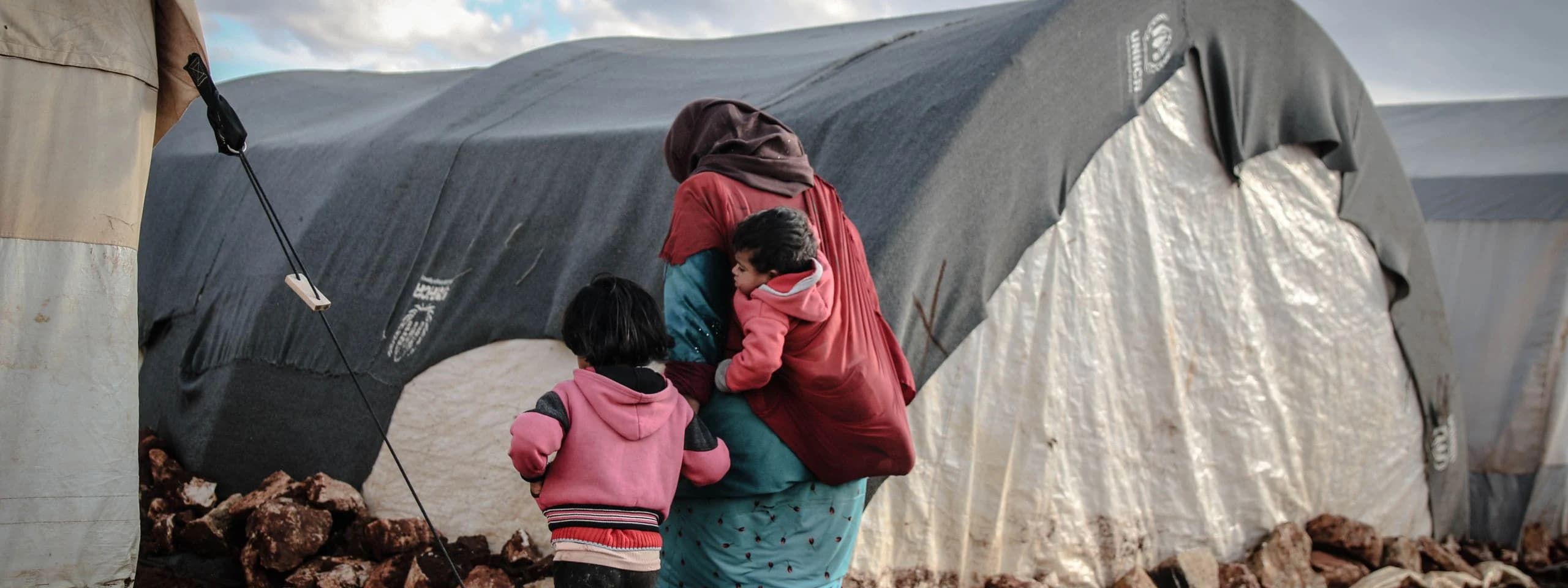
Connect displaced people to essential services across agencies
Build an agent that links registration, location, and available services across orgs and shows the next service step, so displaced people don't fall between systems.
Give courts timely visibility into case status and workload
Build an agent that surfaces case status and workload for judges and staff in time to act, so cases don't stall for lack of a shared picture.

Guide people to legal help they are eligible for
Build an agent that matches someone's situation to legal help they qualify for and the next contact step, so eligibility maze doesn't block help.
Show whether public policies are working across agencies
Build an agent that pulls implementation results across agencies into one "working / not / unknown" view, so institutions aren't flying blind on policy results.

Flag unusual decisions across millions of public transactions
Build an agent that spots odd decisions in huge transaction streams and explains why they look unusual, so admin errors don't hide in volume.



Anti-corruption.

Link hidden company owners to public contract awards
Build an agent that connects ownership records to who won public contracts and flags hidden-owner wins, so shell opacity doesn't hide who got public money.

Trace conflicts of interest across executives and officials
Build an agent that maps links between executives, suppliers, and officials and flags conflict risks, so cozy ties don't stay untraceable.


Unethical sourcing.
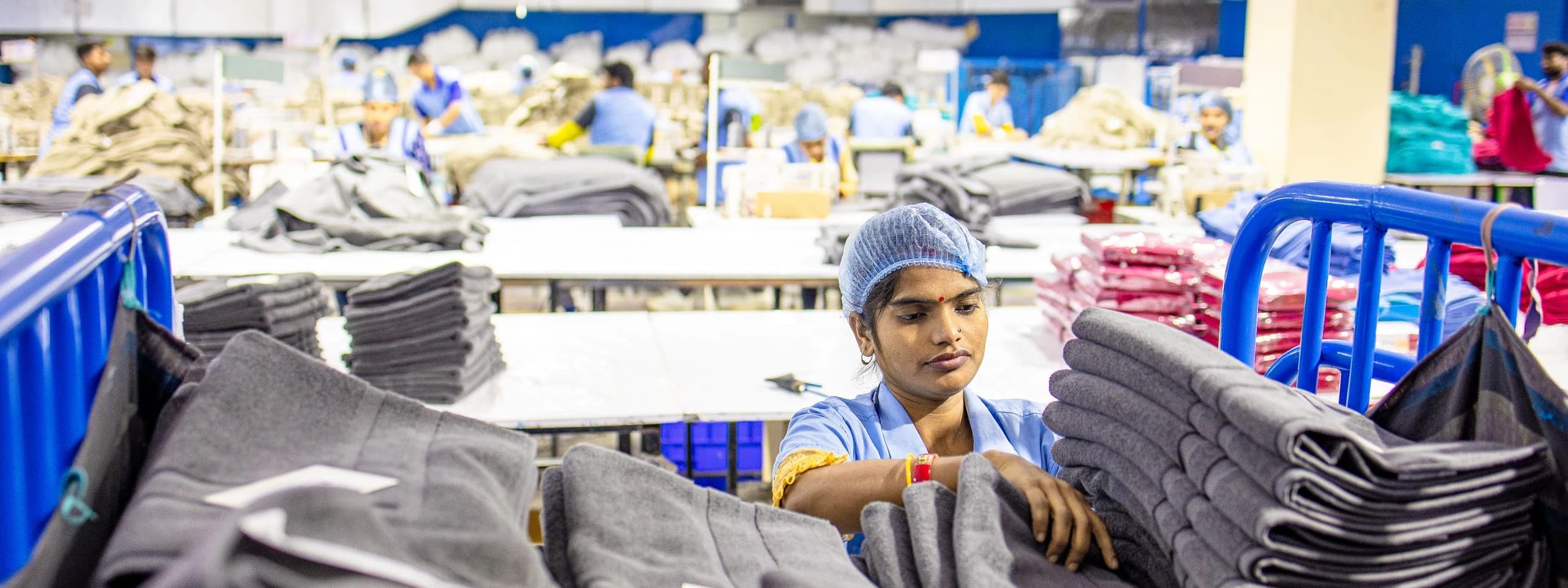
Trace forced-labor risks deep in supplier networks
Build an agent that crawls supplier tiers for forced-labor risk signals and shows where to dig next, so risk doesn't hide deep in the chain.

FAQ
Everything you need to know about participating.
Who can participate?
Is it free?
How to get started?
- Create an account.
- Choose a challenge you would like to work on.
- Follow guides to solve the problem (solo or in a team).
- Submit your solution.
- Receive feedback from experts and see results at the start of each month.
Are there any deadlines?
Can I participate as part of a team?
How to obtain assistance from mentors?
Can participants apply multiple times?
Join our community
 today.
Join our challenge and turn your ideas into impactful solutions! Collaborate with experts, develop crucial skills, and tackle real-world problems. Your creativity could be the key to driving sustainable change.