Environmental challenges.

Energy efficiency.

Catch residential energy waste before bills spike
Residential buildings use more energy than necessary because heating, cooling, and insulation problems are found only after energy use rises.
Expose hidden electricity costs in small businesses
Small businesses pay more for electricity because they cannot tell which equipment and processes use the most power.

Shift flexible electricity use off peak hours
Homes and businesses overload electricity networks during peak hours because they have limited ways to shift flexible uses to other hours.
Stop renewable electricity going unused on the grid
Renewable electricity is wasted when electricity networks cannot deliver all the power generated where and when it is produced.
Compare energy use across multi-site businesses
Multi-site businesses cannot see which locations use the most energy because their energy records use incompatible formats.
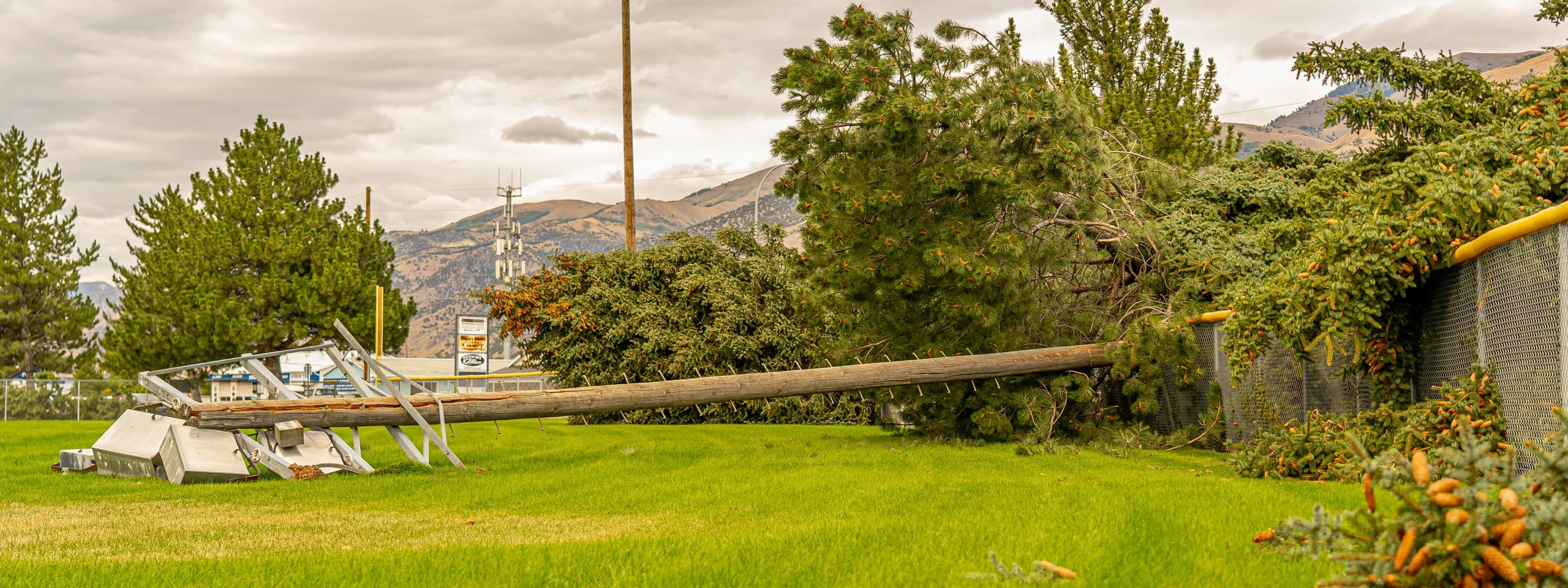
Protect power systems from correlated weather hazards
Power-system reliability degrades during extreme weather when generation, transmission, and storage assets are exposed to correlated hazards.
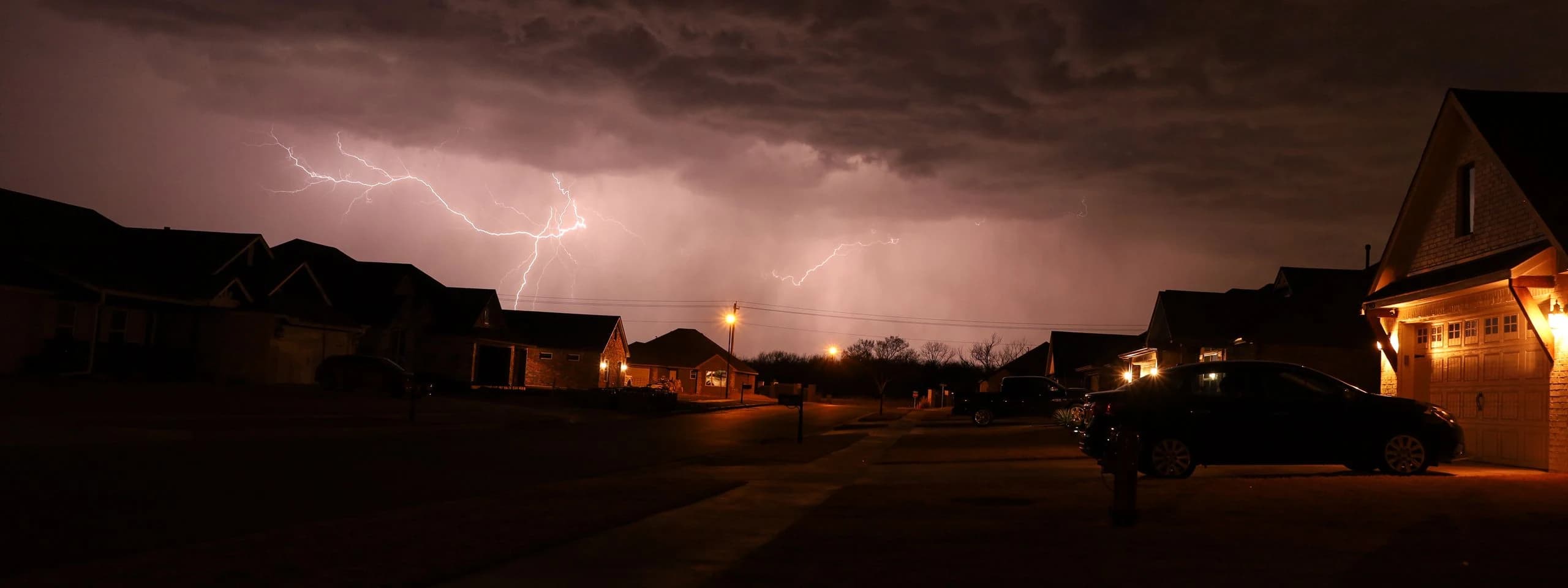
Anticipate climate hazards across electricity networks
Electricity network operators cannot anticipate how storms and other climate hazards will affect multiple critical assets at once.
Circular economy.

Make repair-or-replace decisions before discarding products
Working products are thrown away because owners cannot tell whether repairing them is worth the cost.
Match surplus products to nearby business buyers
Businesses throw away surplus products while other businesses buy the same products new because sellers cannot find potential buyers quickly.

Route used products back to manufacturers for refurbishment
Manufacturers receive fewer products for refurbishment because customers do not know how or where to return them.

Pinpoint avoidable material loss in business processes
Businesses cannot reduce waste because they cannot identify which processes generate the most avoidable material loss.

Water conservation.
Target irrigation to where crops actually need water
Farmers waste water because irrigation systems deliver more water than crops need in some parts of a field.
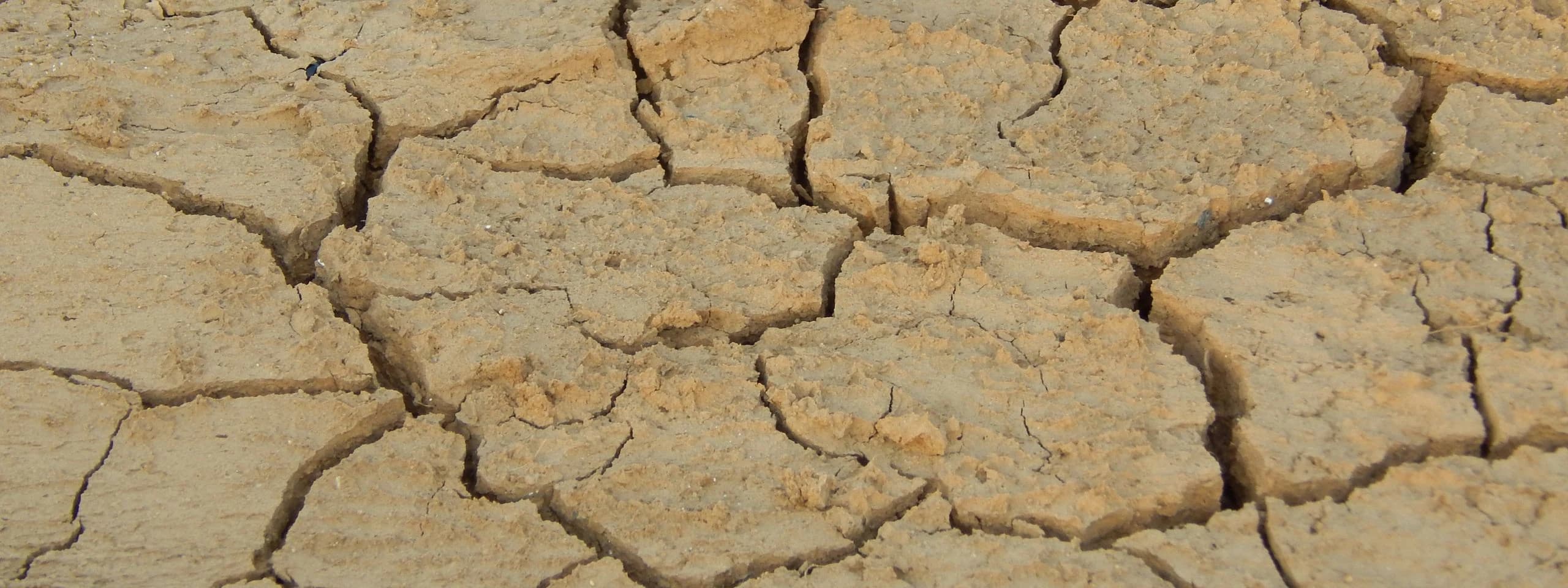
Align irrigation schedules with soil and weather data
Agricultural water use remains high because irrigation schedules do not reflect soil moisture and weather conditions.
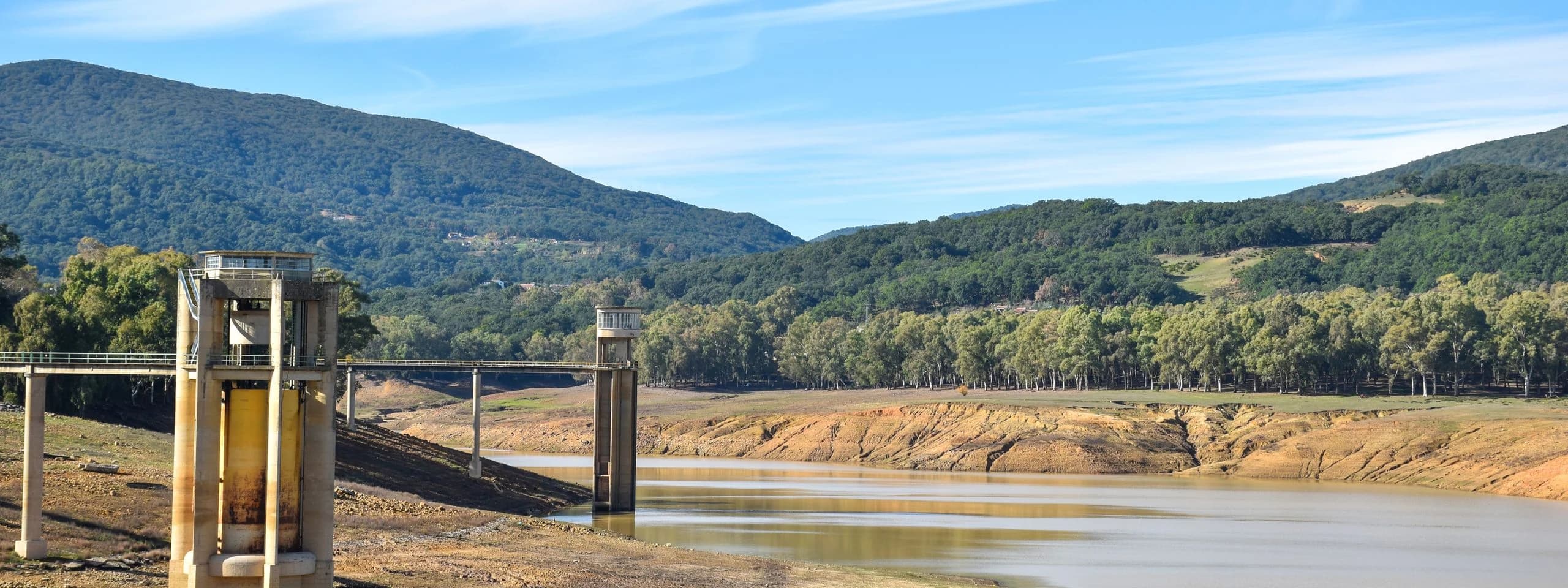
Distinguish temporary from sustained water demand rises
Water shortages worsen because utilities cannot tell whether a rise in demand is temporary or likely to continue.
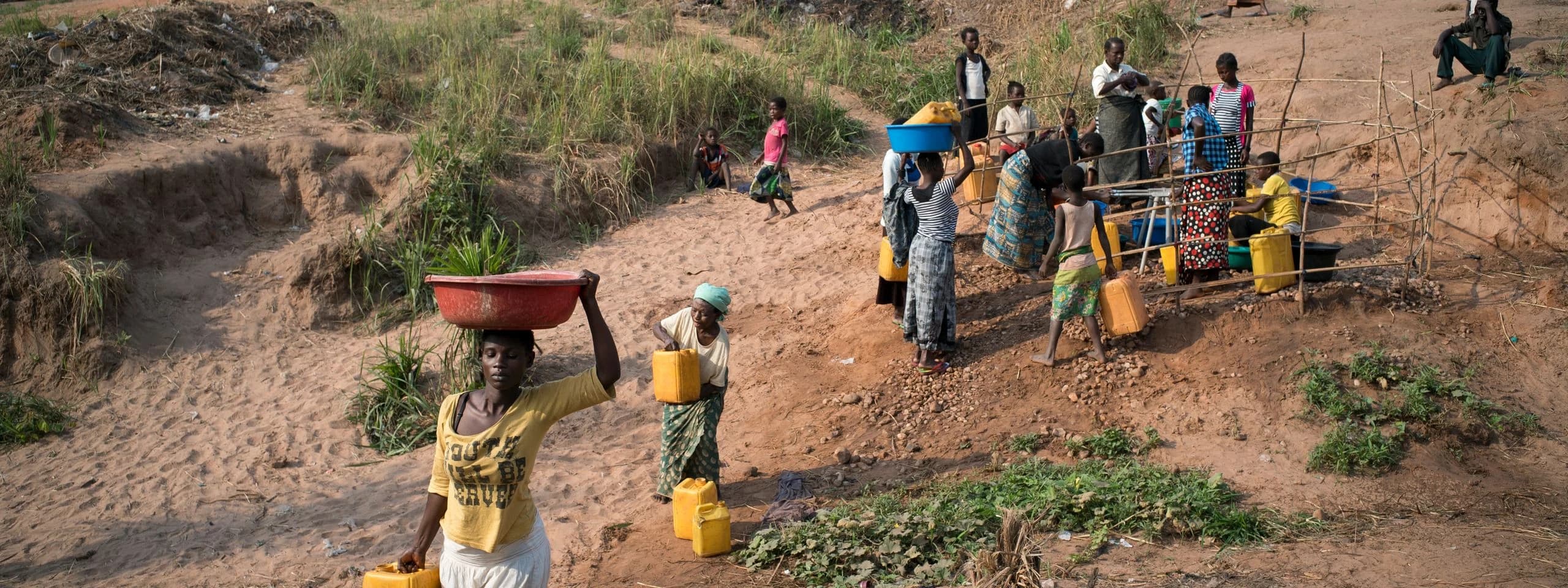
Show households which activities drive water use
Households use more water than necessary because consumption feedback rarely shows which daily activities are driving use.
Close the gap between urban water demand and supply
Cities face water shortages because demand is growing faster than reliable local supply.
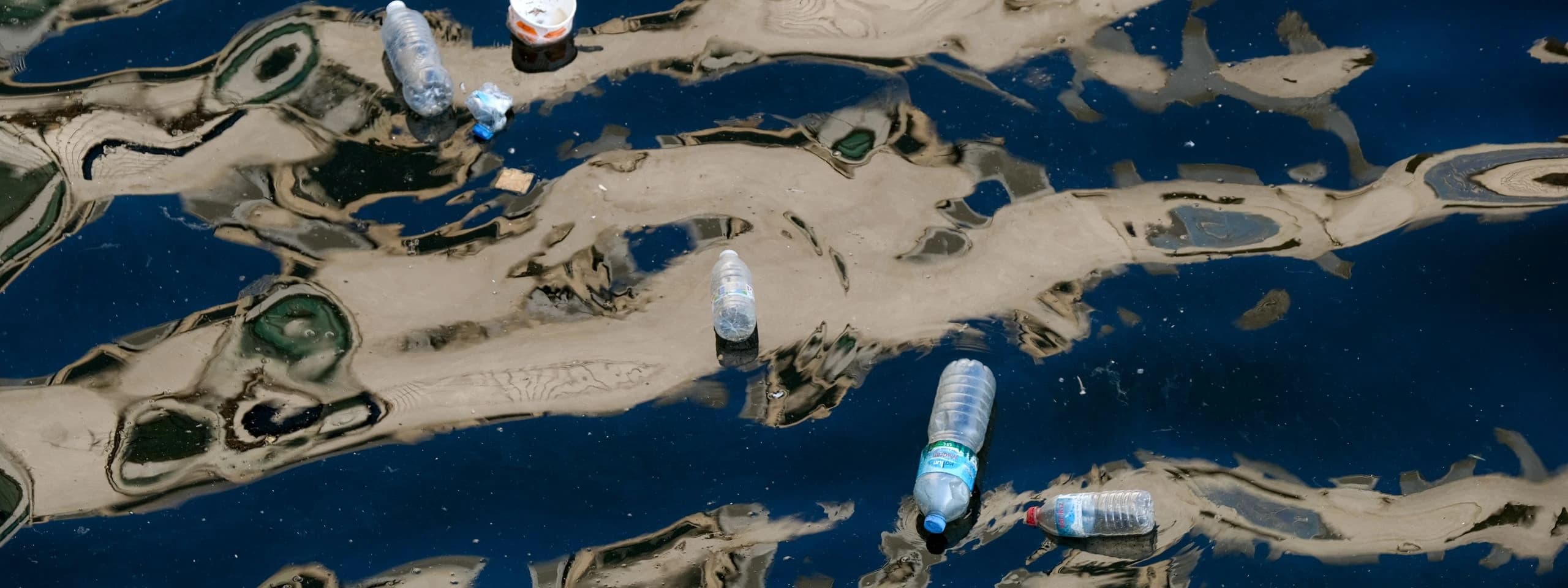
Detect water contamination earlier in distribution pipes
Contaminated water reaches consumers because problems are not detected early enough in distribution pipes.
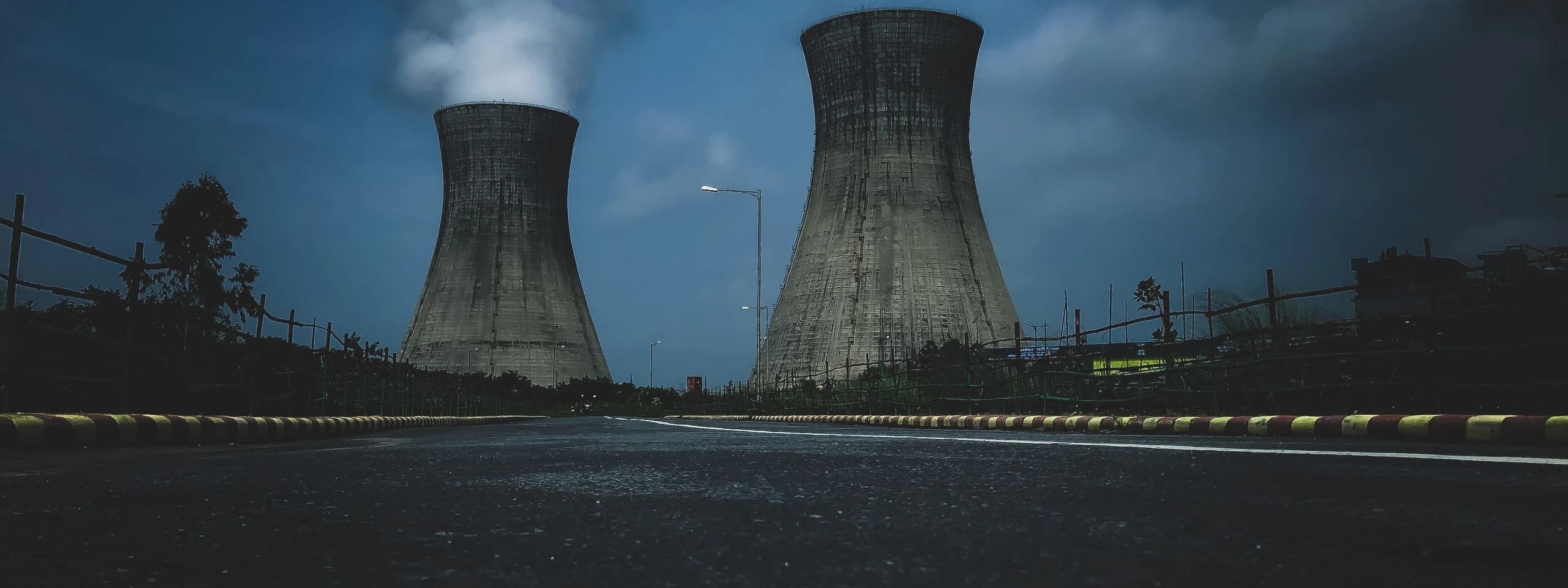
Identify highest-water processes in industry
Water-intensive industries cannot reduce consumption because they cannot identify which processes use the most water.
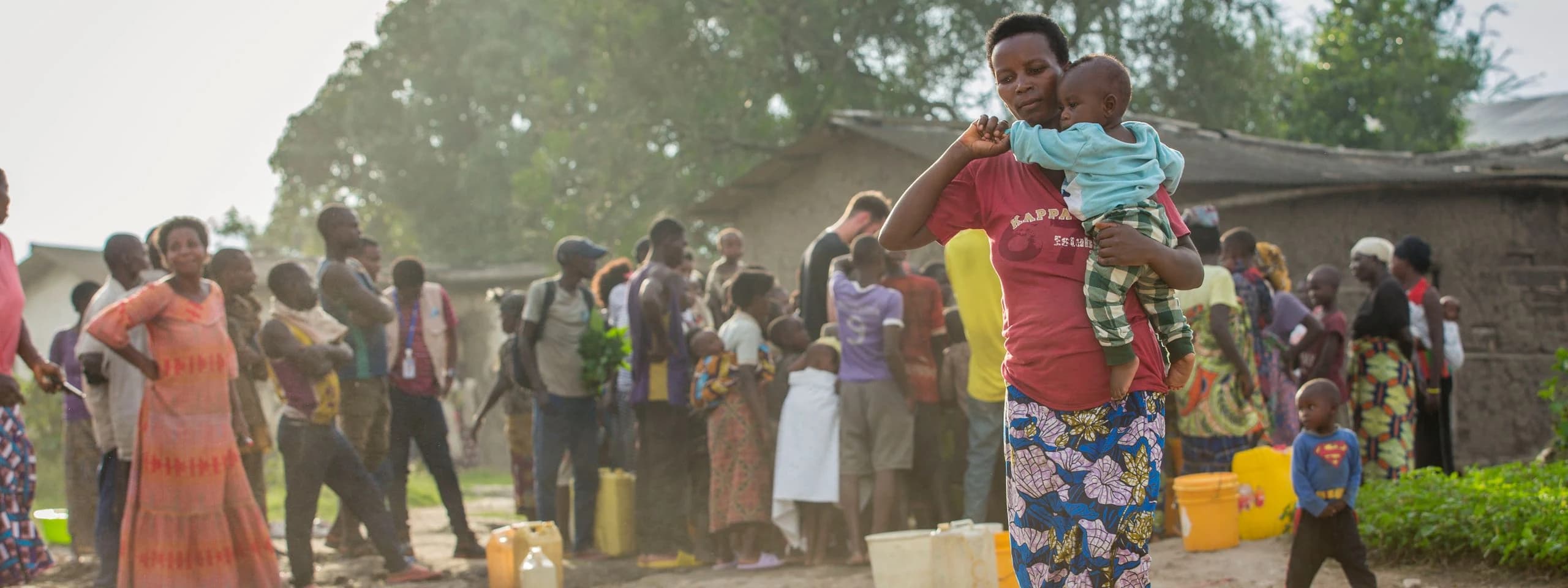
Detect water supply deterioration before shortages hit
Communities discover water shortages only after reservoirs, underground water supplies, or local sources have already deteriorated.
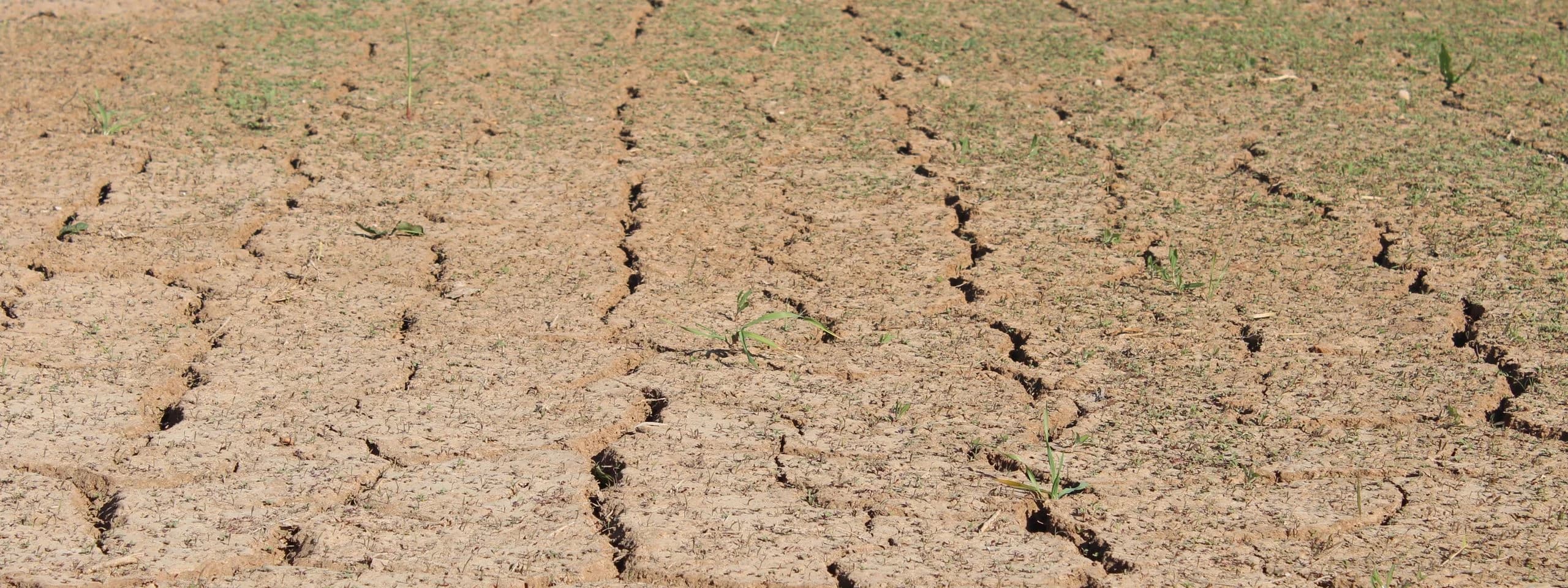
Adapt farm production to shifting rainfall and temperatures
Farmers cannot maintain reliable production as changing rainfall and temperatures alter growing conditions.

Green transportation.
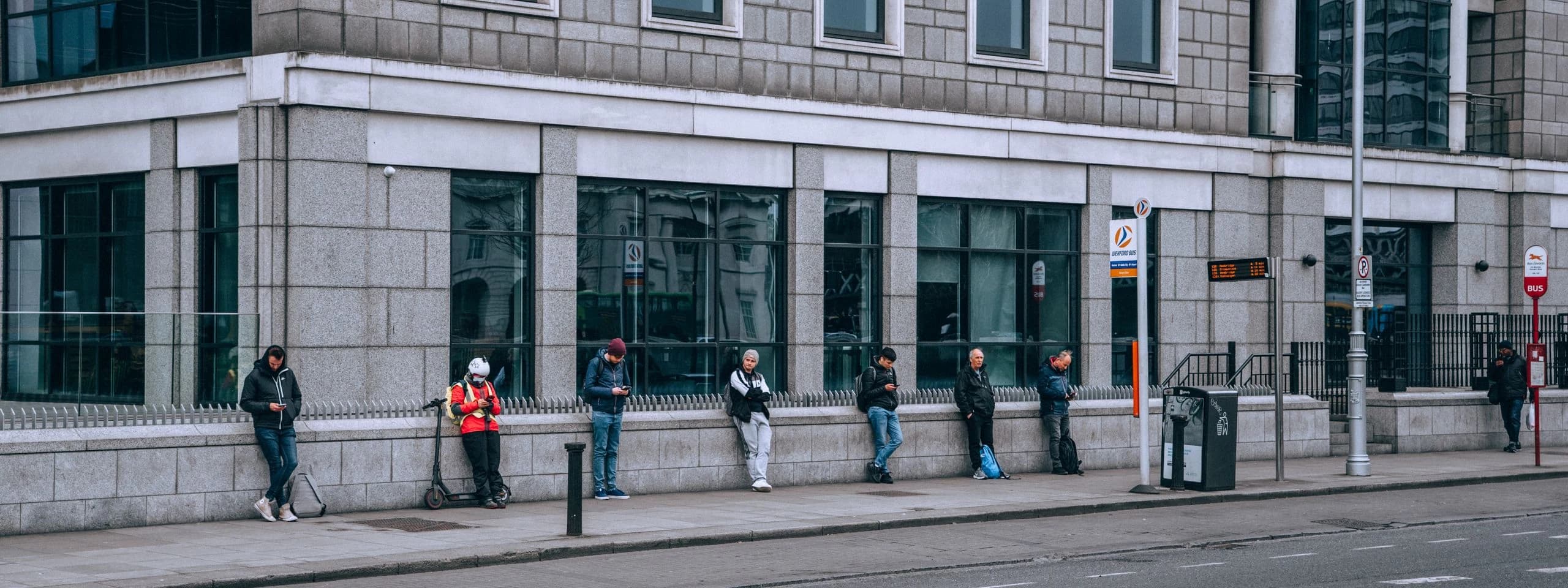
Stop public transport delays spreading across routes
Public transport delays can spread across vehicles and routes because schedules and which vehicles serve which routes are tightly interconnected.
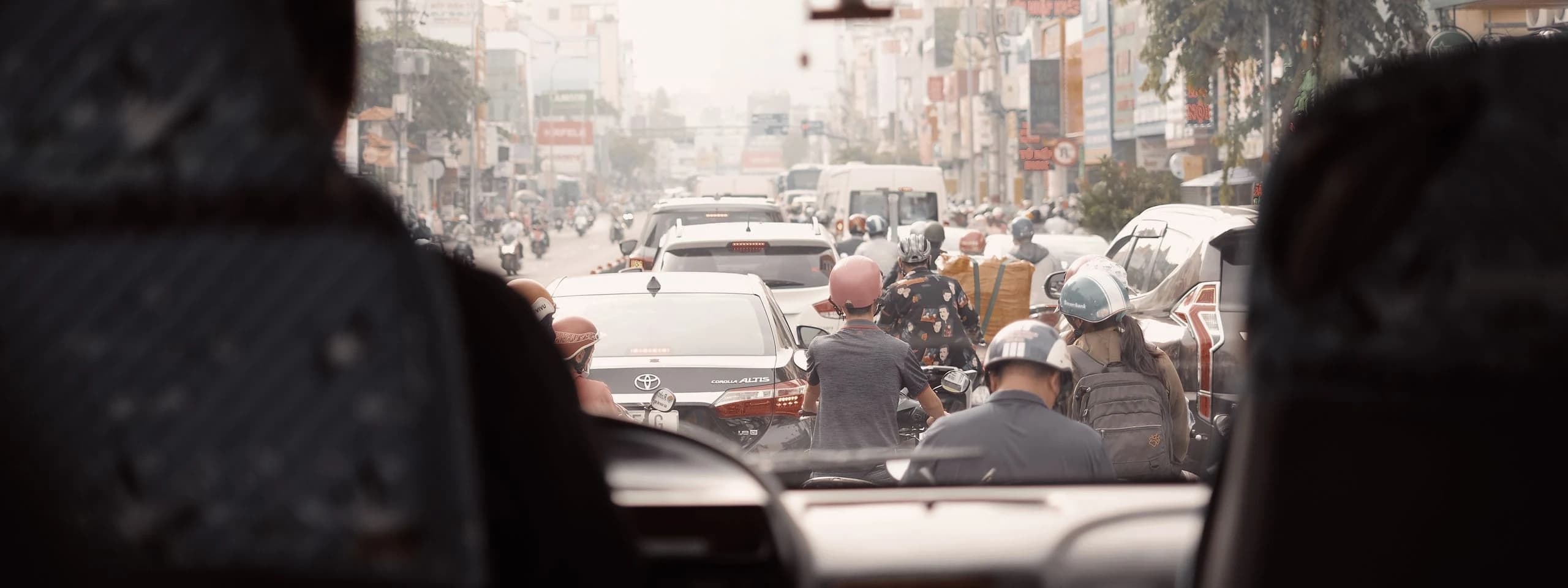
Find inefficient driving patterns in vehicle fleets
Companies operating large vehicle fleets miss fuel-saving opportunities because vehicle data does not identify inefficient driving patterns at the driver or route level.

Match bus routes to changing passenger demand
Buses run nearly empty on some routes while passengers are left waiting on others because fixed schedules do not match changing demand.

Identify unsafe walking and cycling routes at street level
Walking and cycling remain unsafe on some routes because pedestrian and cyclist risks are difficult to identify at street level.
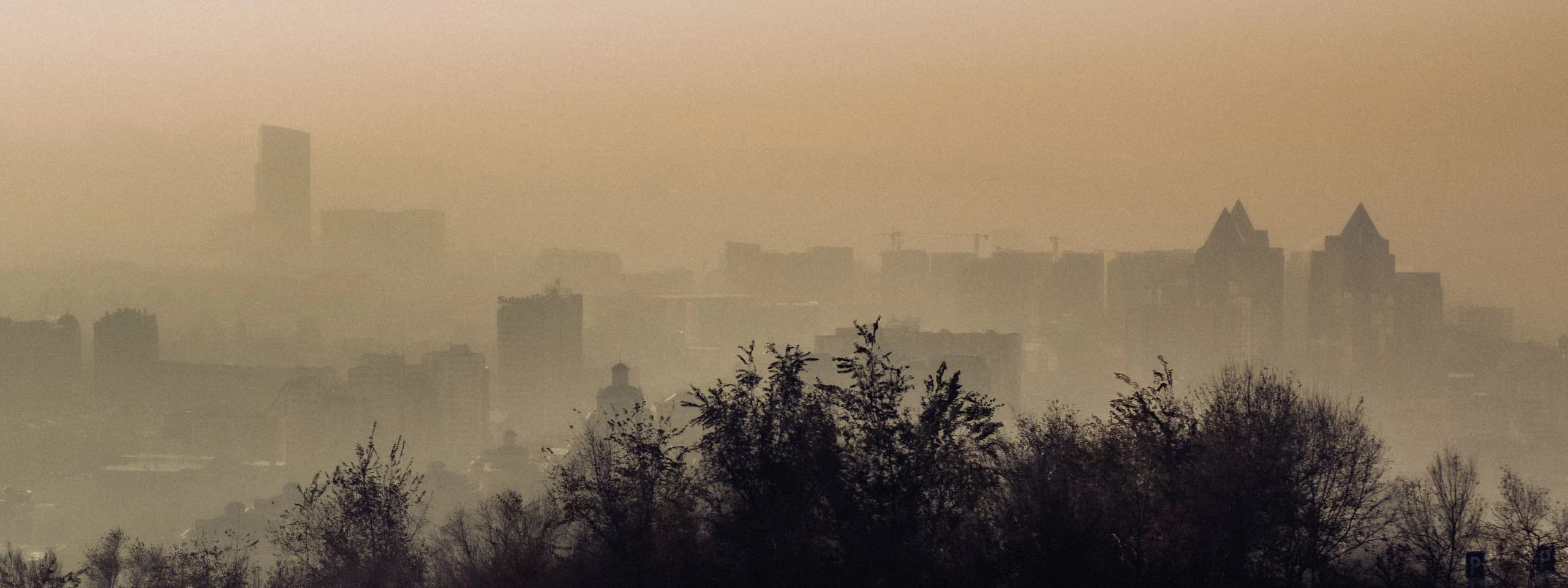
Locate where urban air pollution exposure peaks
Cities cannot identify where air pollution creates the greatest exposure because traffic, emissions, weather, and population data are rarely combined.
Biodiversity protection.
FAQ
Everything you need to know about participating.
Who can participate?
Is it free?
How to get started?
- Create an account.
- Choose a challenge you would like to work on.
- Follow guides to solve the problem (solo or in a team).
- Submit your solution.
- Receive feedback from experts and see results at the start of each month.
Are there any deadlines?
Can I participate as part of a team?
How to obtain assistance from mentors?
Can participants apply multiple times?
Join our community
 today.
Join our challenge and turn your ideas into impactful solutions! Collaborate with experts, develop crucial skills, and tackle real-world problems. Your creativity could be the key to driving sustainable change.