Challenges.

Water conservation.
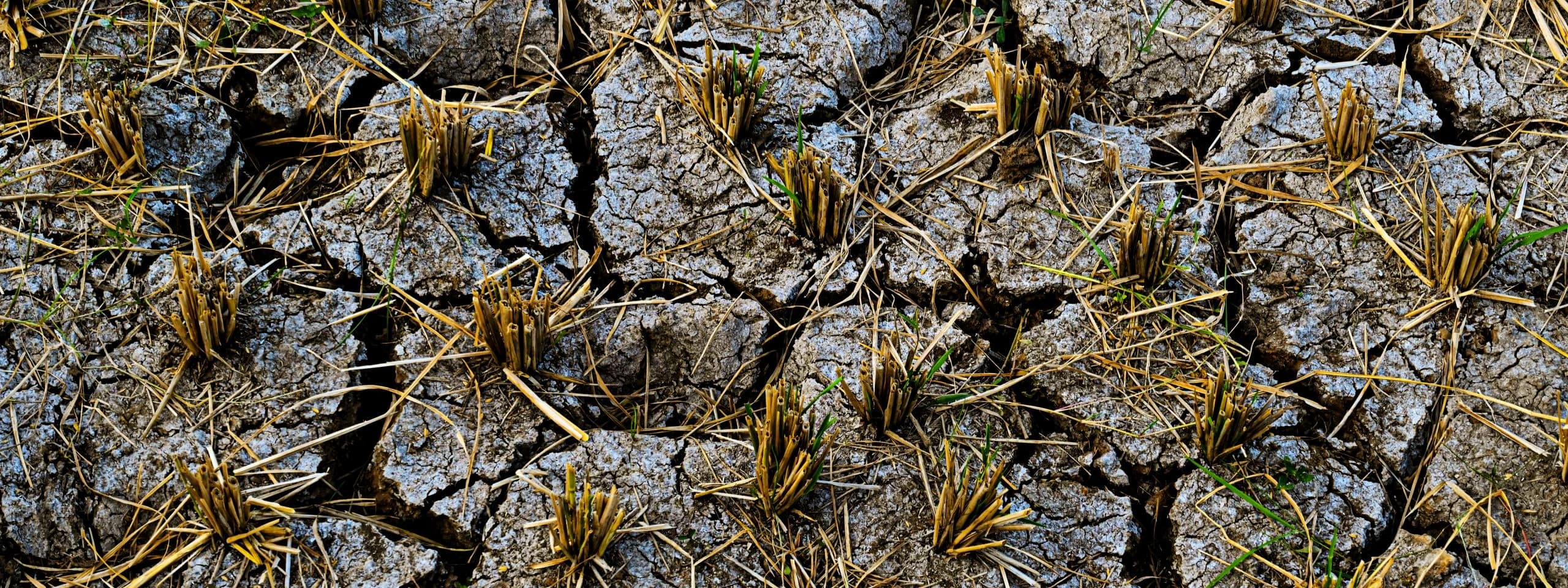
Target irrigation to where crops actually need water
Farmers waste water because irrigation systems deliver more water than crops need in some parts of a field.
Align irrigation schedules with soil and weather data
Agricultural water use remains high because irrigation schedules do not reflect soil moisture and weather conditions.
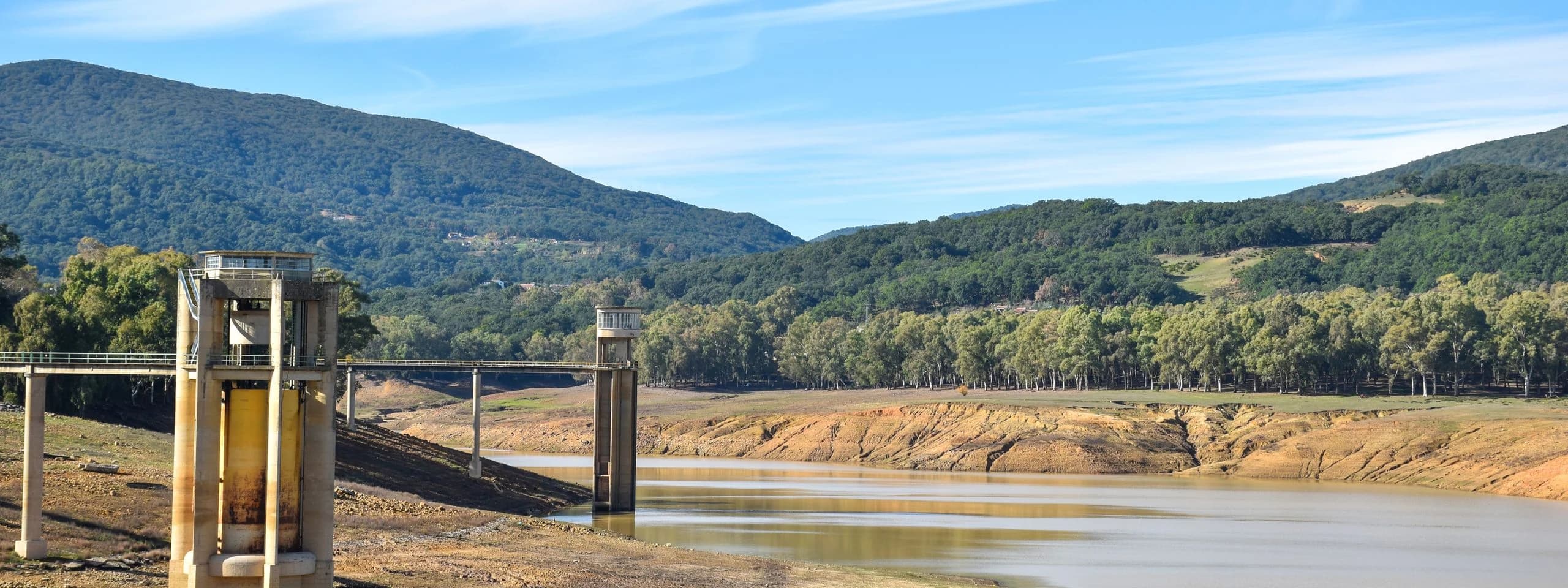
Distinguish temporary from sustained water demand rises
Water shortages worsen because utilities cannot tell whether a rise in demand is temporary or likely to continue.
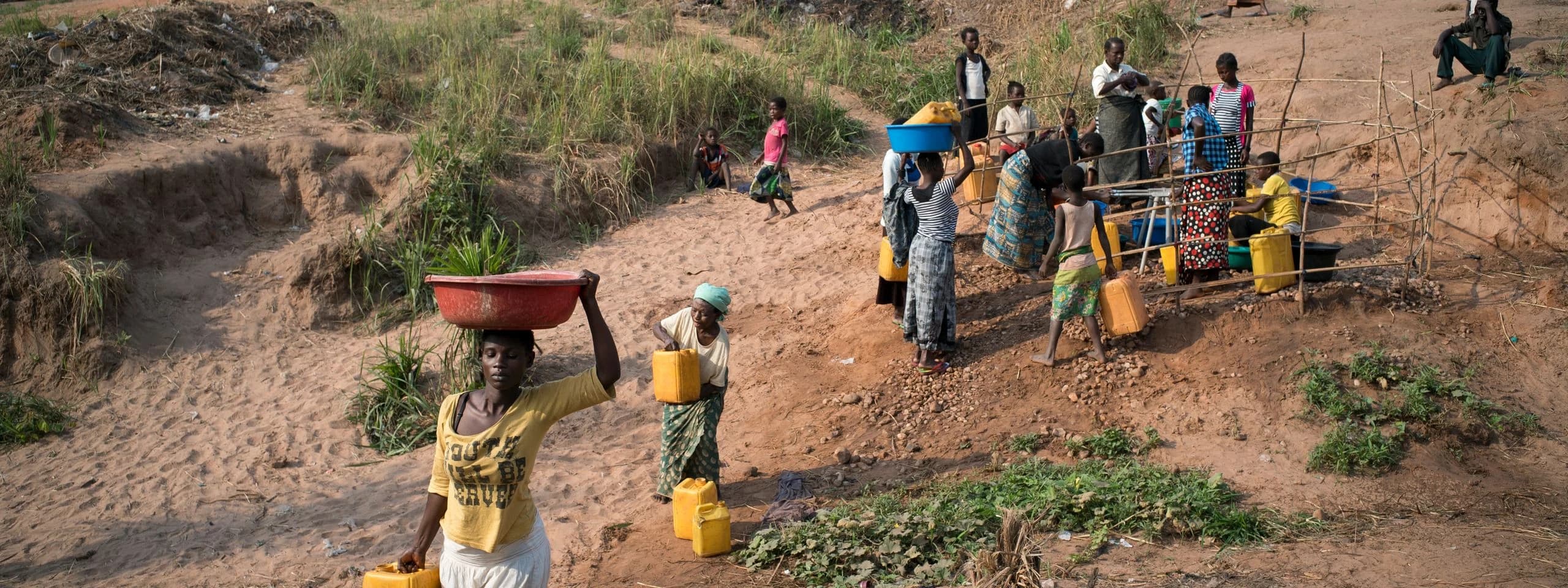
Show households which activities drive water use
Households use more water than necessary because consumption feedback rarely shows which daily activities are driving use.
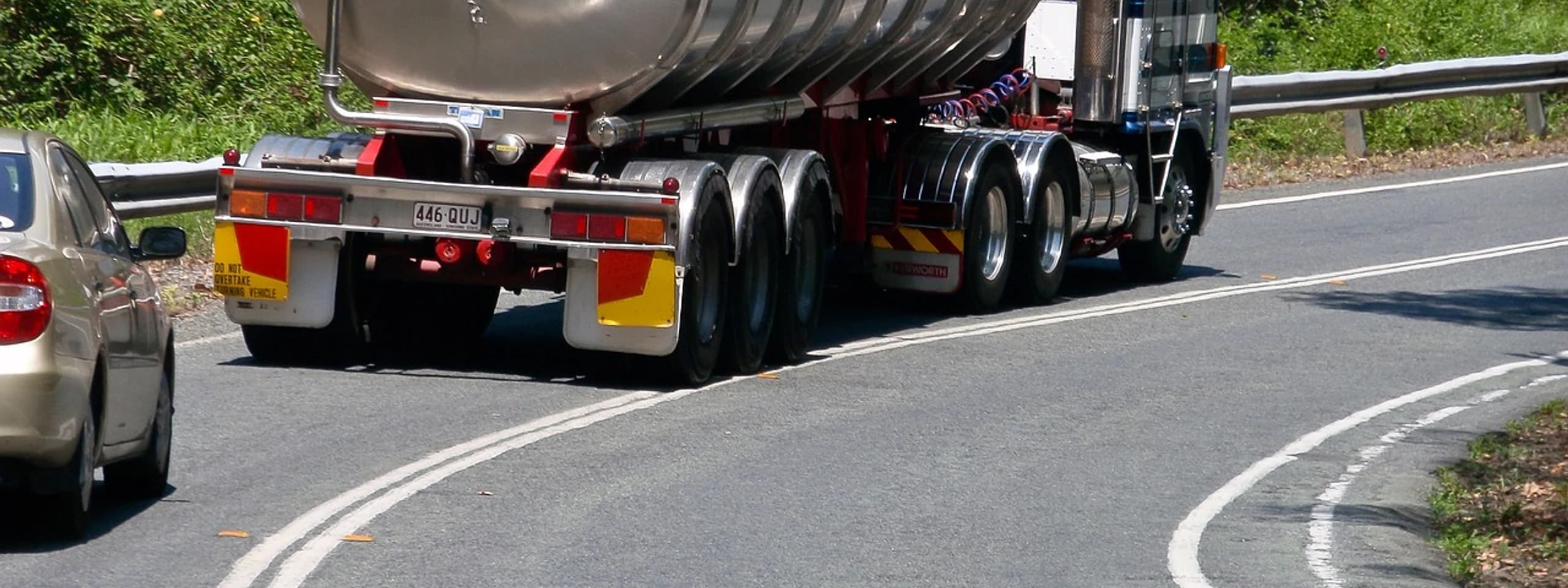
Close the gap between urban water demand and supply
Cities face water shortages because demand is growing faster than reliable local supply.
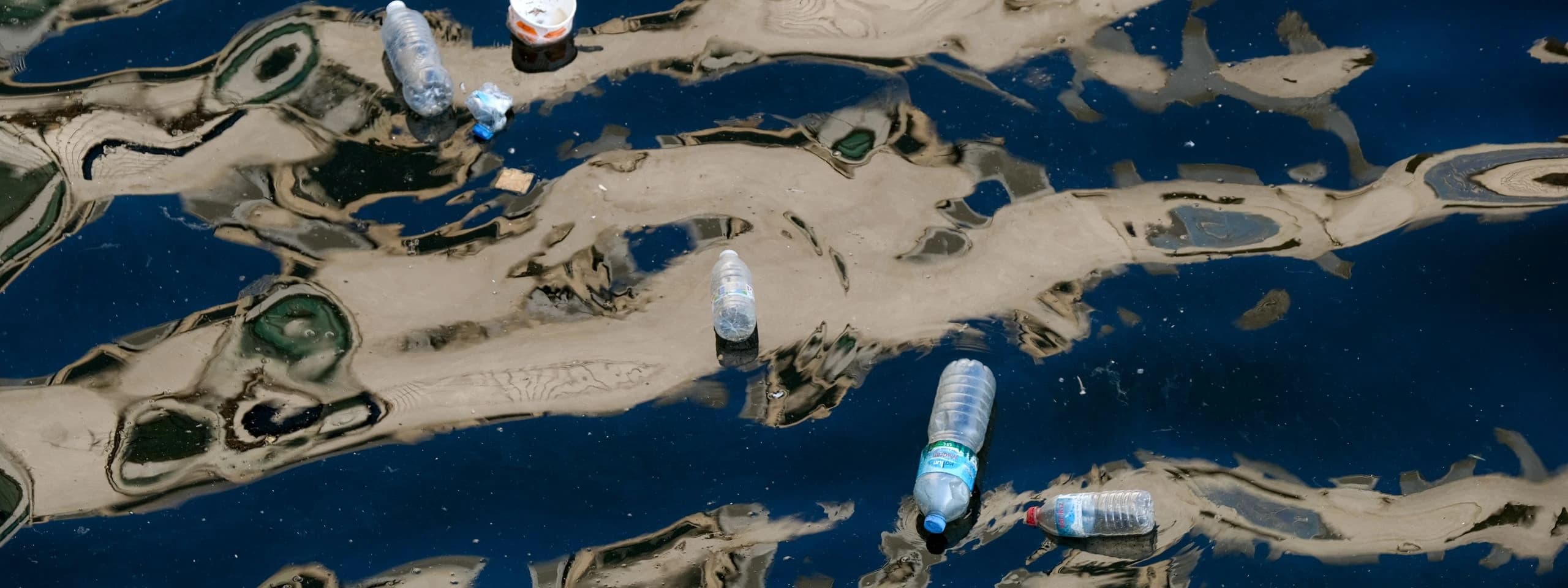
Detect water contamination earlier in distribution pipes
Contaminated water reaches consumers because problems are not detected early enough in distribution pipes.
Identify highest-water processes in industry
Water-intensive industries cannot reduce consumption because they cannot identify which processes use the most water.
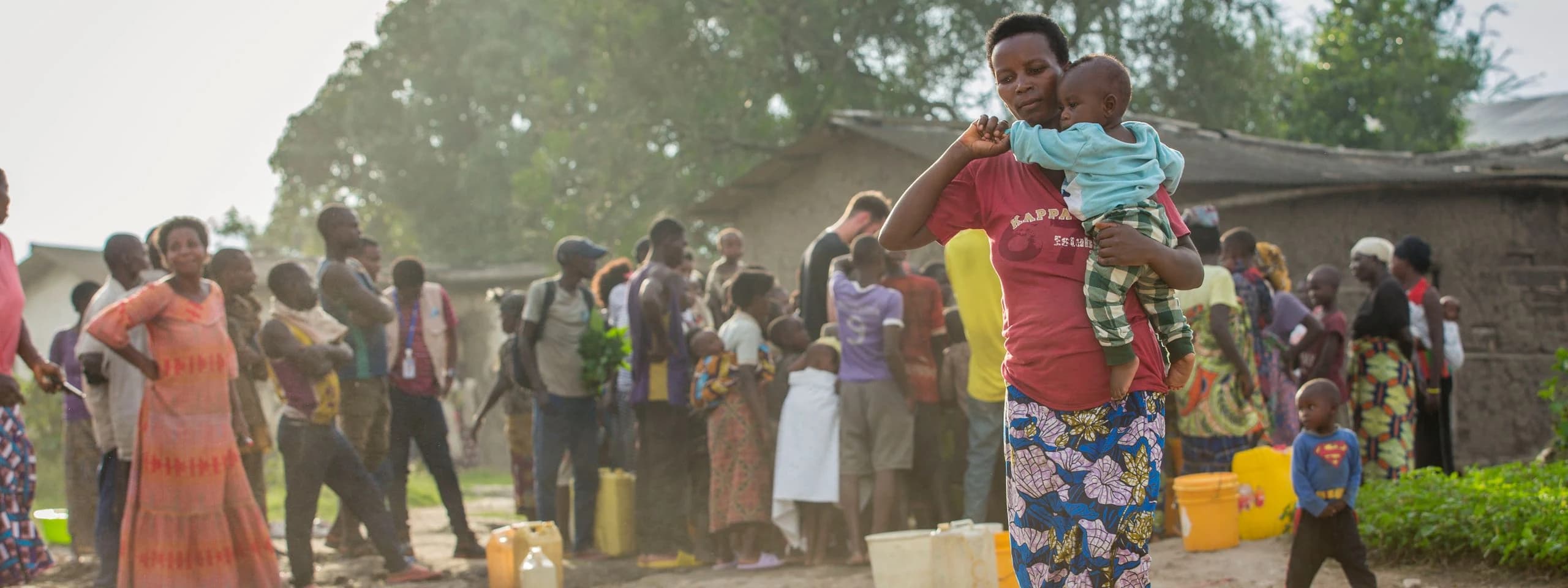
Detect water supply deterioration before shortages hit
Communities discover water shortages only after reservoirs, underground water supplies, or local sources have already deteriorated.
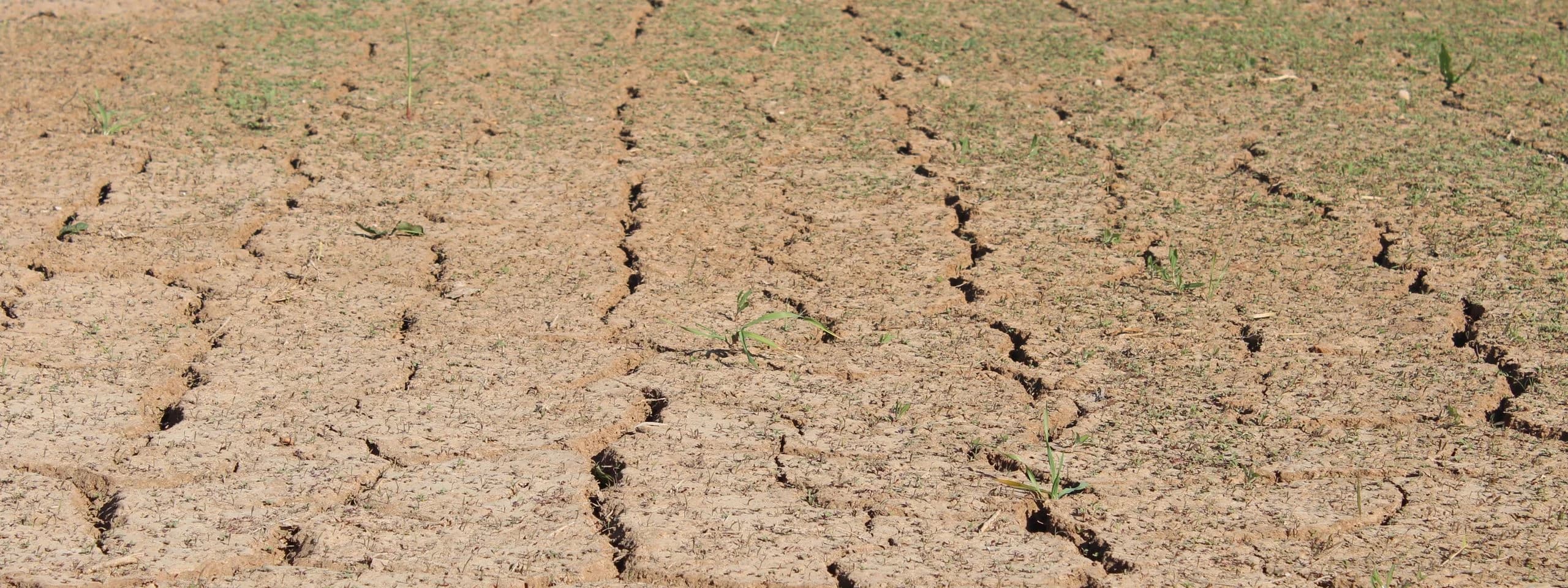
Adapt farm production to shifting rainfall and temperatures
Farmers cannot maintain reliable production as changing rainfall and temperatures alter growing conditions.
FAQ
Everything you need to know about participating.
Who can participate?
Is it free?
How to get started?
- Create an account.
- Choose a challenge you would like to work on.
- Follow guides to solve the problem (solo or in a team).
- Submit your solution.
- Receive feedback from experts and see results at the start of each month.
Are there any deadlines?
Can I participate as part of a team?
How to obtain assistance from mentors?
Can participants apply multiple times?
Join our community
 today.
Join our challenge and turn your ideas into impactful solutions! Collaborate with experts, develop crucial skills, and tackle real-world problems. Your creativity could be the key to driving sustainable change.