Reduce homeowners electricity bills through smart home upgrades for energy efficiency.

Buildings account for 30% of energy-related CO2 emissions.



Pick a challenge
Build a solution
Get feedback
Showcase to experts
Pick a challenge
Build a solution
Get feedback
Showcase to experts
Pick a challenge
Build a solution
Get feedback
Showcase to experts
Master Challenge in 7 days.

Day 1
Research
Understand Your Users. Gather insights into the target audience's needs, motivations, and challenges through research and interviews. Discuss findings within the team to ensure a shared understanding of the user perspective.
Pro tip:
- Employ user interviews, surveys, and observation for data collection.
Checklist:
- Insights into the user experience, establishing the foundation for the project's focus.
Day 2
Team Up
Form your team. Use the platform to connect with other participants who have a similar interest in solving the challenge's problem. Form teams based on shared goals, required skills, and personal compatibility. Connect with available mentors and Subject Matter Experts (SMEs) who can guide you throughout the challenge.
Pro tip:
- Review profiles of mentors and SMEs to understand their expertise areas.
Checklist:
- Team is formed with clear roles for each member. Established connections with Mentors and Subject Matter Experts (SMEs).


Day 3
Define
Articulate the Problem. Synthesize your findings from the empathize phase to clearly define the problem you are aiming to solve. Create a problem statement that captures the essence of the challenge.
Pro tip:
- Utilize affinity diagrams and user personas to organize and analyze data.
Checklist:
- A well-defined problem statement that succinctly captures the user's challenge.
Day 4
Ideate
Generate Solutions. Engage in a brainstorming session to generate a wide range of solutions, encouraging innovative and diverse ideas. Evaluate and select the most promising ideas based on feasibility and potential impact.
Pro tip:
- Leverage brainstorming, mind mapping, and the SCAMPER technique to facilitate creative ideation.
Checklist:
- A set of promising ideas selected for further development.

Day 5
Build
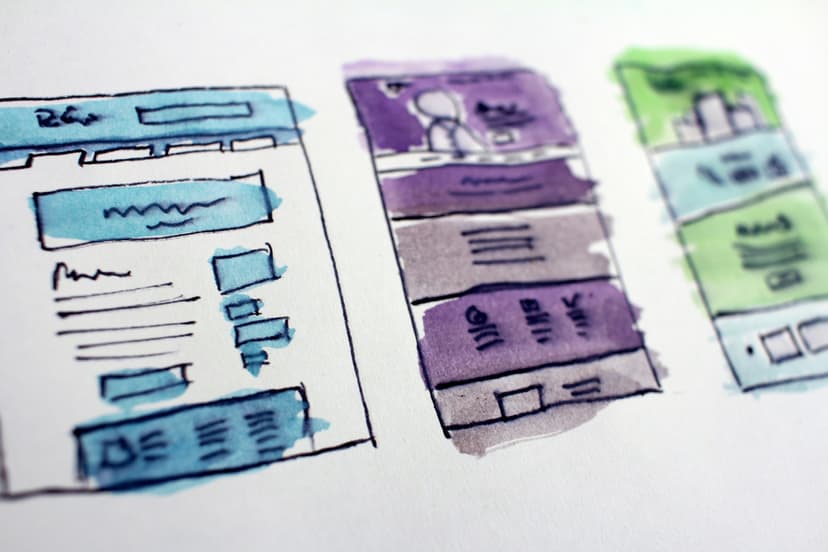
Develop prototypes for the selected ideas, focusing on quick, cost-effective ways to convey the concepts. Iterate on the prototypes based on initial team feedback.
Pro tip:
- Choose appropriate prototyping tools, from paper and pencil to digital tools like Sketch or Figma.
Checklist:
- Functional prototypes that bring the solutions to life, ready for user testing.
Day 6
Test
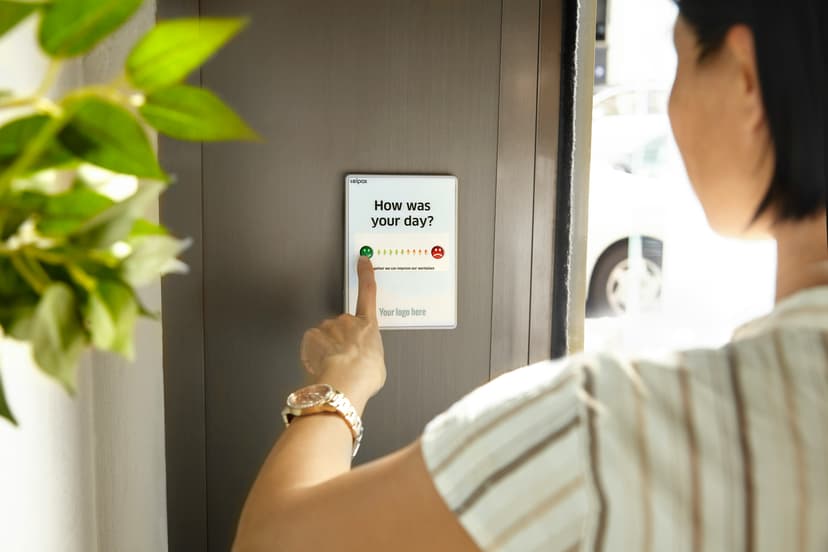
Validate and Refine. Conduct user testing sessions to gather feedback on the prototypes' usability and effectiveness. Analyze feedback and decide on necessary revisions.
Pro tip:
- Utilize various testing methods, such as in-person user testing, A/B testing, or remote feedback sessions.
Checklist:
- Insights into the prototype's strengths and areas for improvement.
Day 7
Showcase
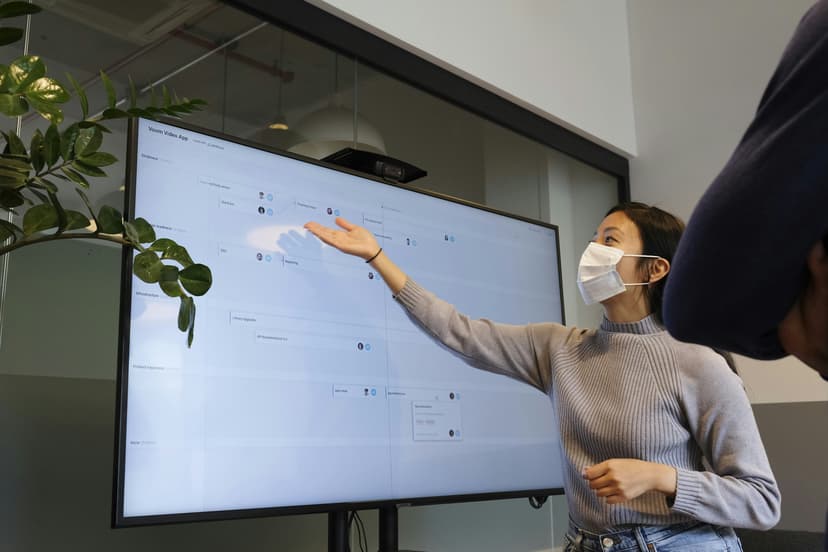
Tell your story so people can develop your idea further, use it as a blueprint or help fund it.
Pro tip:
- Compile findings and reflections in a format that can be shared with others, such as a slide deck or report with a clear understanding of the solution's potential and the path forward.
Checklist:
- Submission showcasing your innovative solution and the collaborative effort behind it.
Pick a challenge
Build a solution
Get feedback
Showcase to experts
Pick a challenge
Build a solution
Get feedback
Showcase to experts
Pick a challenge
Build a solution
Get feedback
Showcase to experts
Meet your mentors
Get a guidance from industry professionals.





Gain invaluable insights and support from seasoned experts who are passionate about driving positive change. Our mentors bring years of experience in tackling complex challenges, ready to share their knowledge and help you make a meaningful impact.
Hop on a team
Collaborate with like minded.




Choose your challanges and connect with like-minded peers. Work togather to tackle crucial social, environmental, and governance challenges with expert guidance.
Tobias
Maria
Ariya
Eugene
Jury Panel
Put your solution in front of hiring managers.
Receive valuable feedback and insights from hiring managers and industry experts.





FAQ
Everything you need to know about participating in a community activities.
Who can participate?
Is there a participation fee?
How to get started?
- Create an account.
- Choose a challenge you would like to work on.
- Follow guides to solve the problem (solo or in a team).
- Submit your solution.
- Get the feedback from sustainability experts and results at the beginning of the each month.
Is there any deadlines?
Can I participate as part of a team?
How to obtain assistance from mentors?
Who will be evaluating submissions?
Are there any awards for the winners?
Can participants apply multiple times?
What happens after the challenge?
Join our community
 today.
Join our challenge and turn your ideas into impactful solutions! Collaborate with experts, develop crucial skills, and tackle real-world problems. Your creativity could be the key to driving sustainable change.